
Cheap hotels across Punjab — every city, cantonment and satellite town
From the Golden Temple lanes of Amritsar to riverside Ludhiana and the planned sectors of Chandigarh — one search, matched prices.
Where to stay, area by area
Punjab's 23 districts group into five broad zones — pilgrim heartland, industrial belt, capital region, Malwa plains and the Shivalik foothills.






Plan the trip
Base in one city for pilgrimage and food, then hop by train or highway for heritage, farms and hill escapes.
Multi-day routes
All routesGolden Temple pilgrim loops, Grand Trunk Road drives, Malwa fort circuits and cycling trails through mustard fields.
The Sikh shrine circuit from Amritsar to Anandpur Sahib, the Malwa heritage loop through Patiala and Bathinda, and the Shivalik foothills drive.
3 ROUTES · 120–260 KM · 2–3 STAGESThe walled old city of Amritsar, the palace quarter of Patiala, the modernist grid of Chandigarh, and the foothills path behind Anandpur Sahib.
4 WALKS · 4–12 KM · 1–2 STAGESThe kulcha lanes of Amritsar, the sweet-shop crawl of Jalandhar, and the langar hall experience — no ticket, all welcome.
3 TRAILS · SHORT WALKS · 1 STAGEAmritsar to Ludhiana on the Shatabdi, Jalandhar to Anandpur Sahib via passenger train, and the Chandigarh–Kalka narrow gauge feeder — no car, no fuss.
3 LINES · ALL BY RAIL · 1–2 STAGESPopular hotels right now
See all hotels

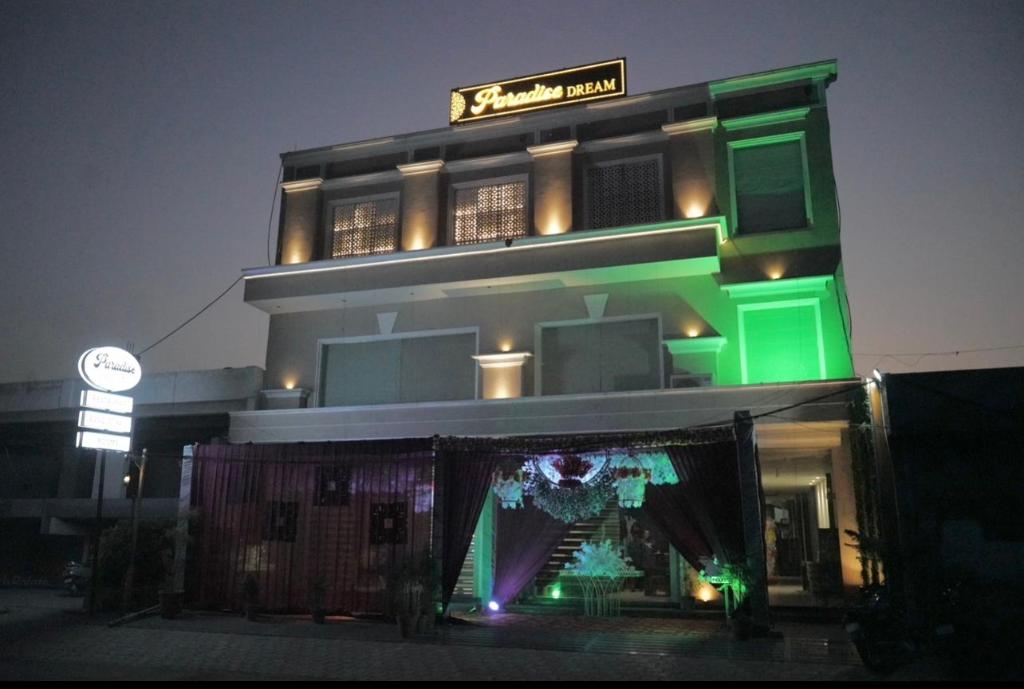

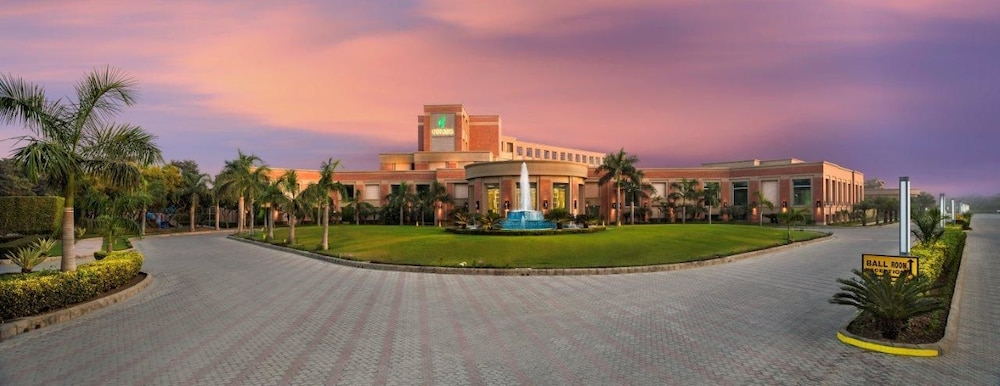
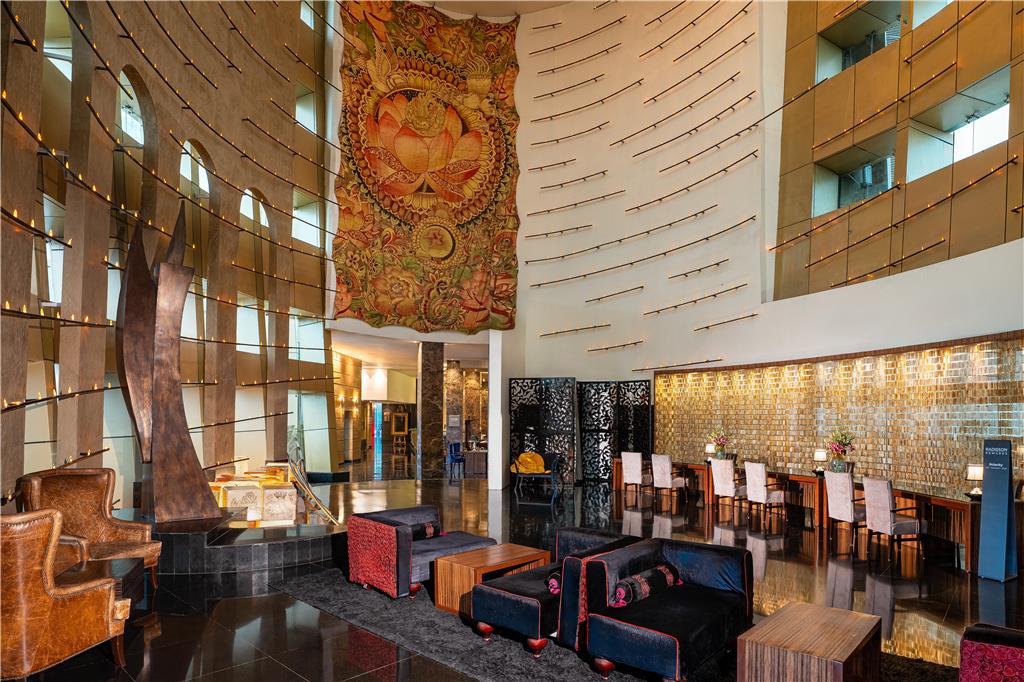
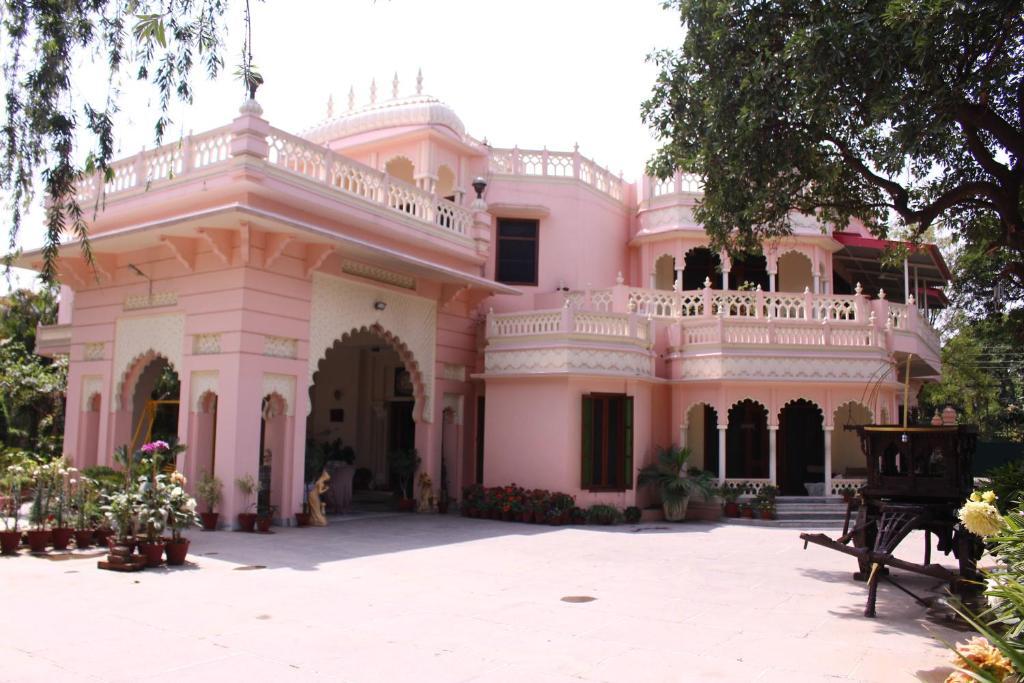
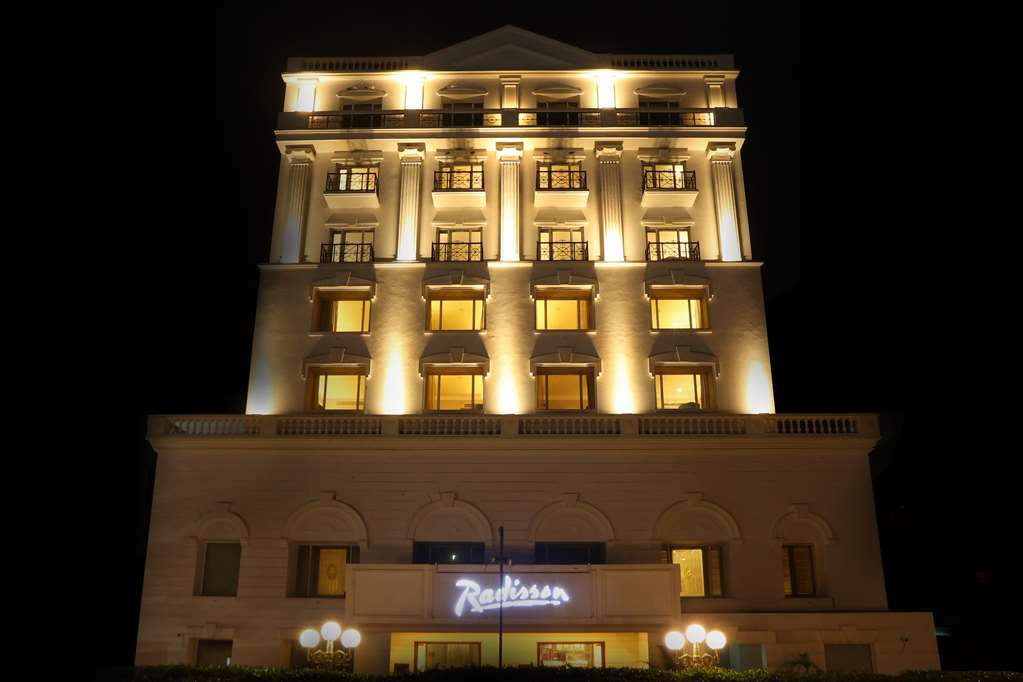
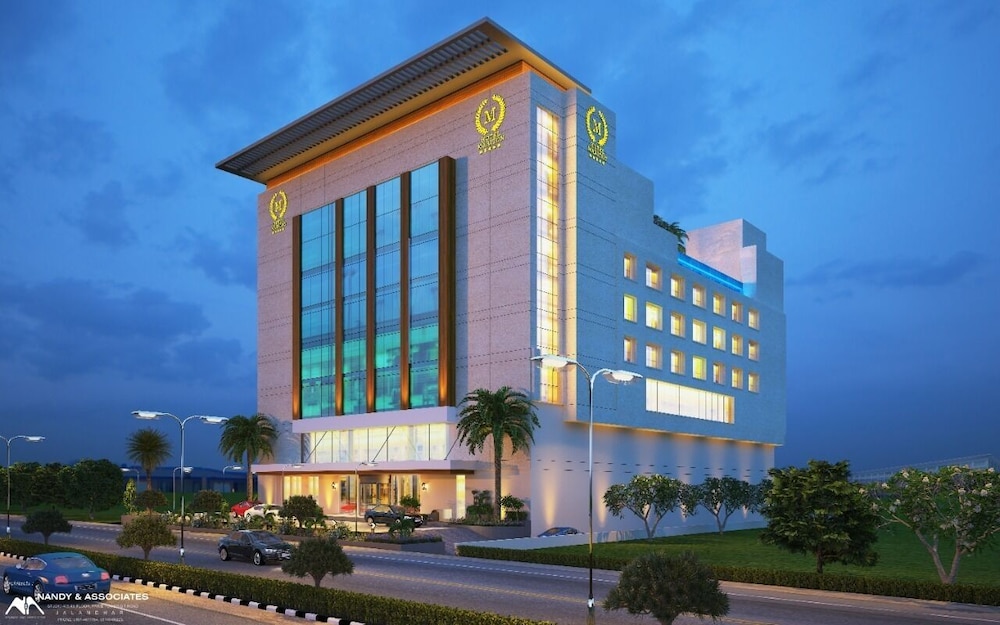
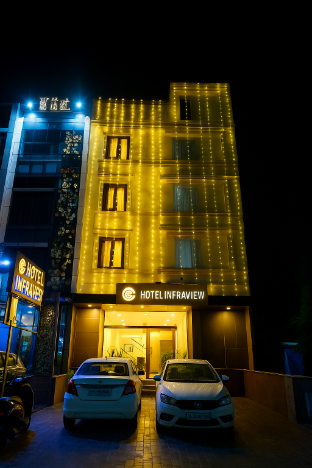
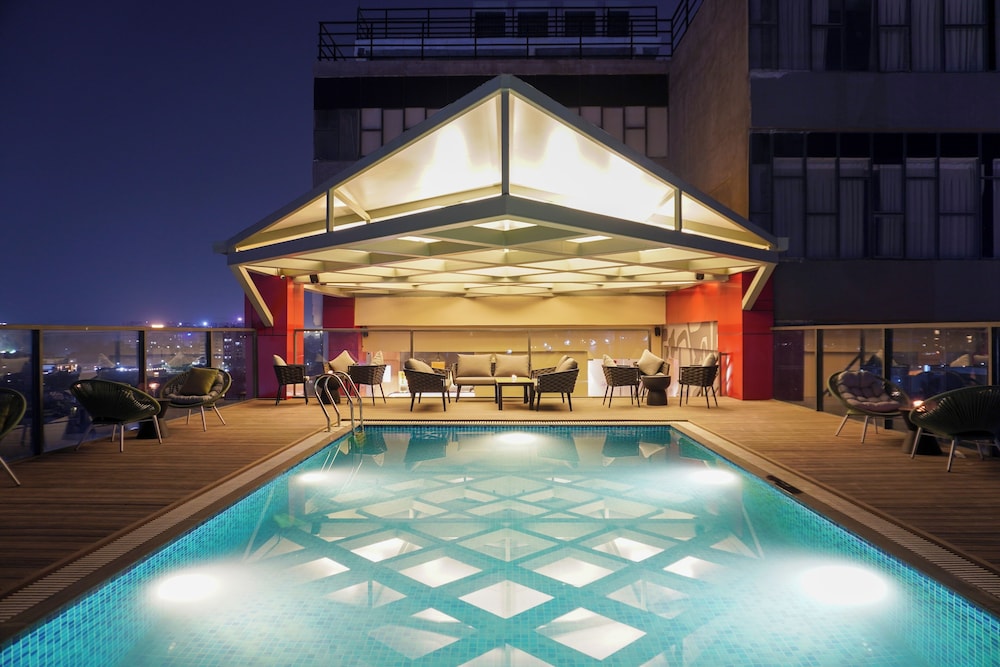
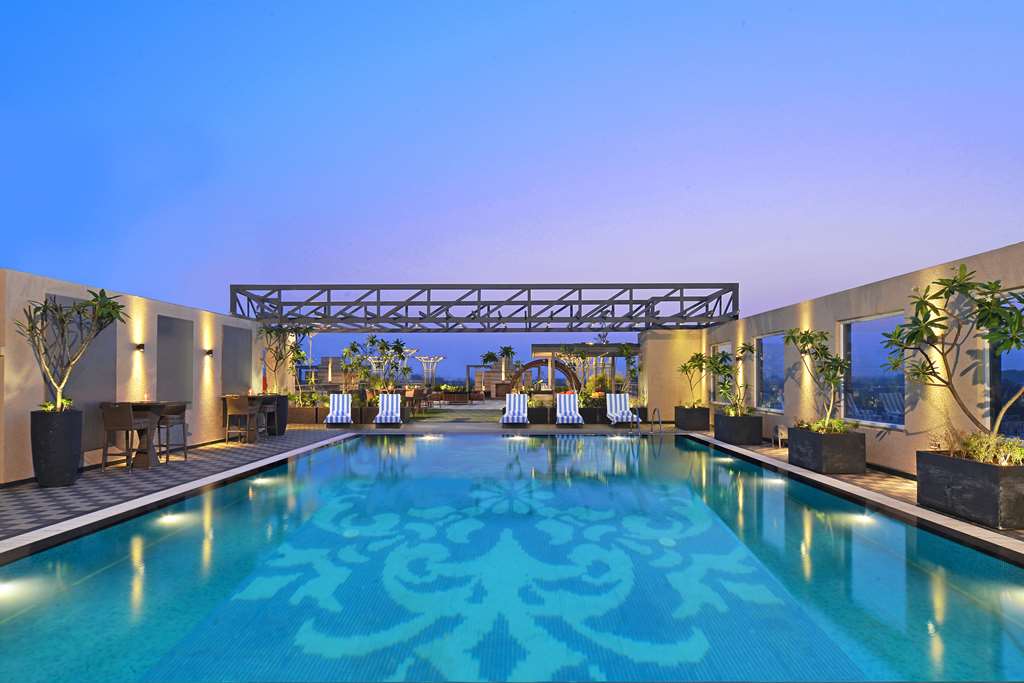
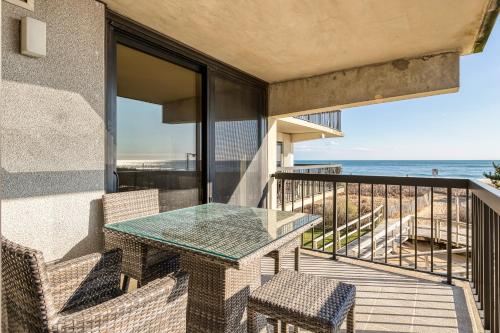

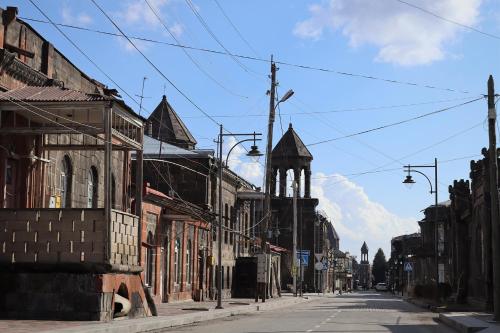
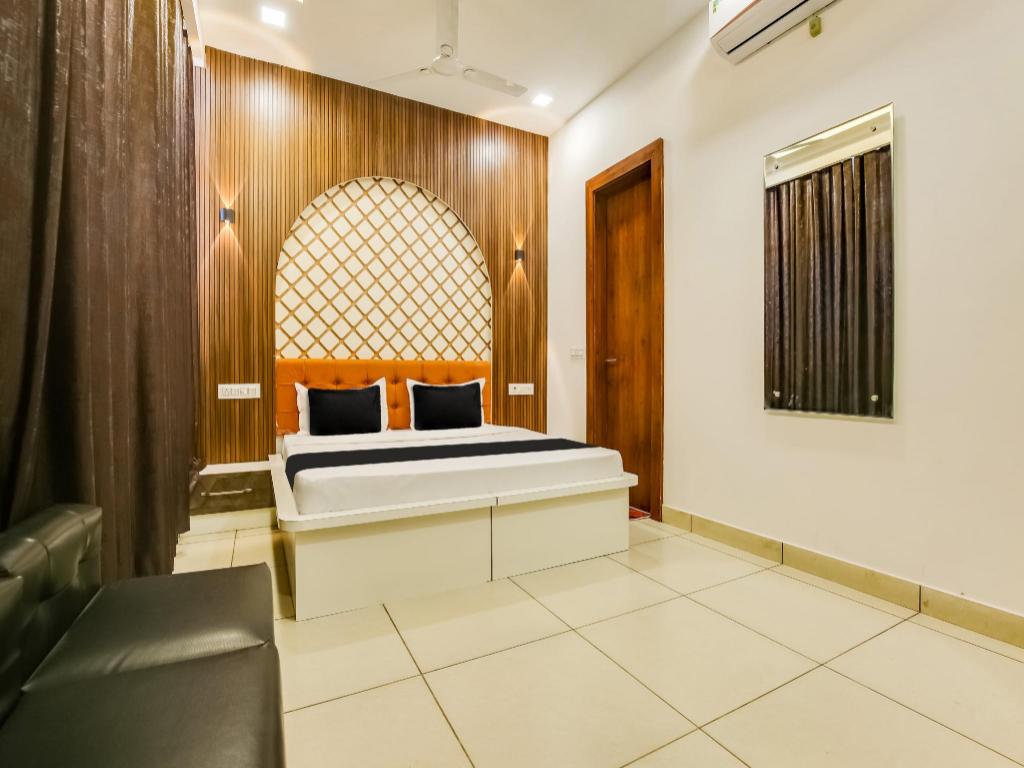

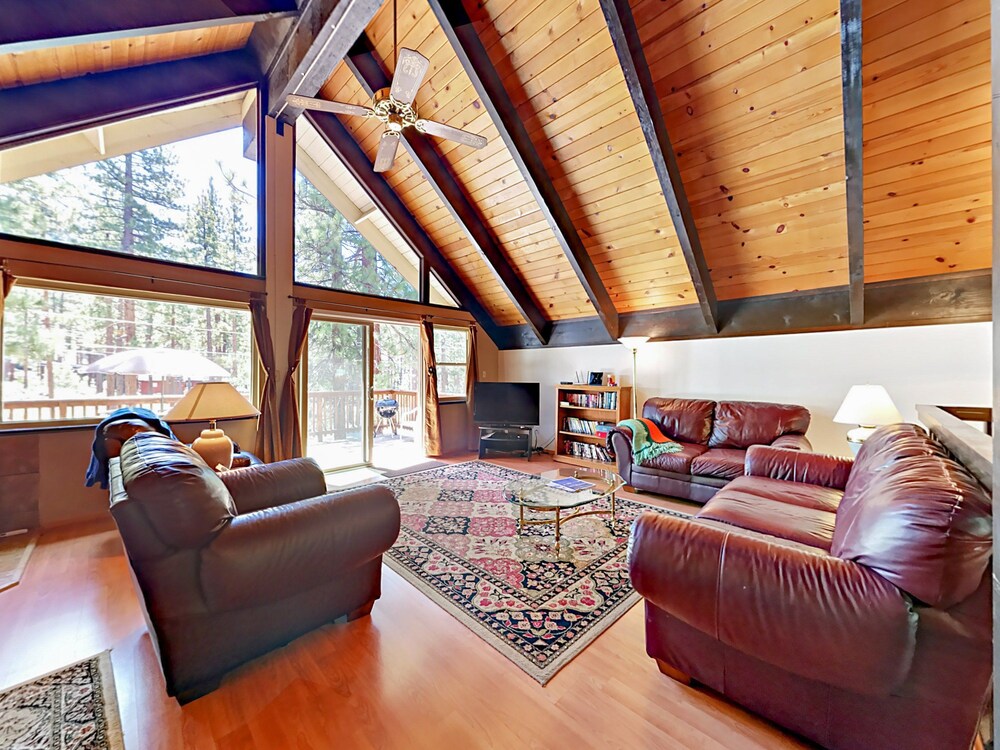
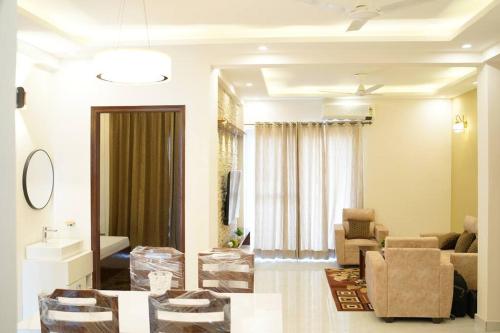
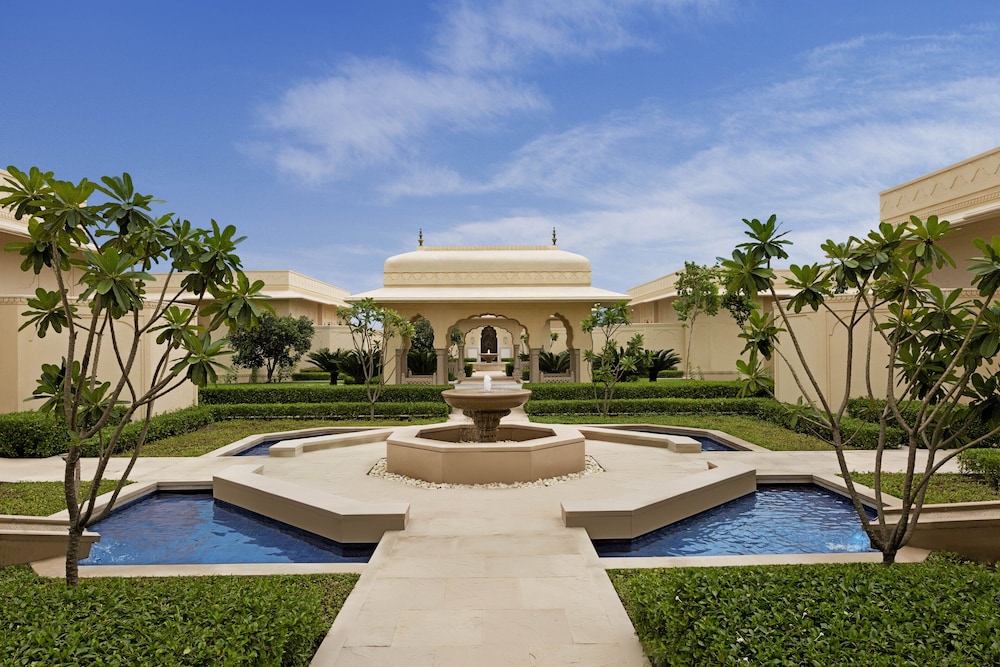
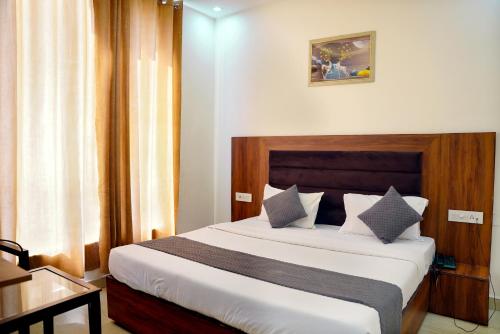
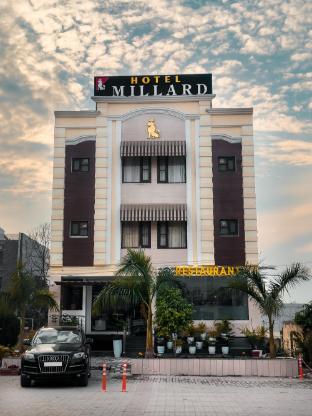
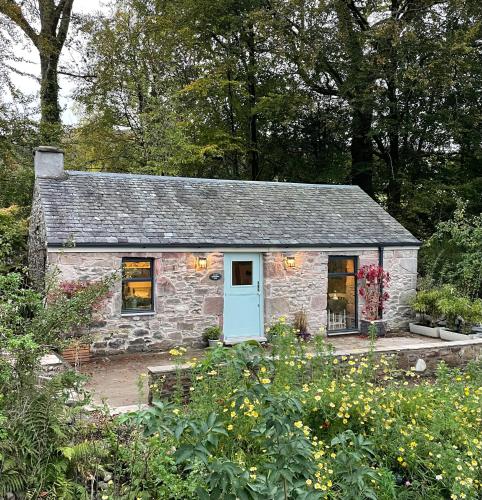
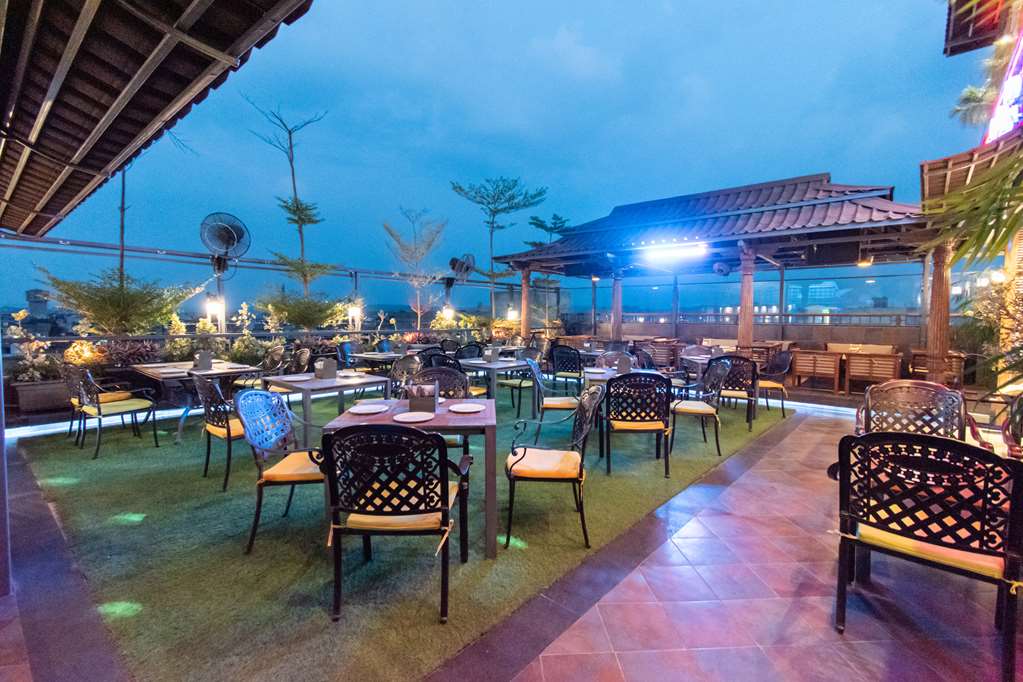
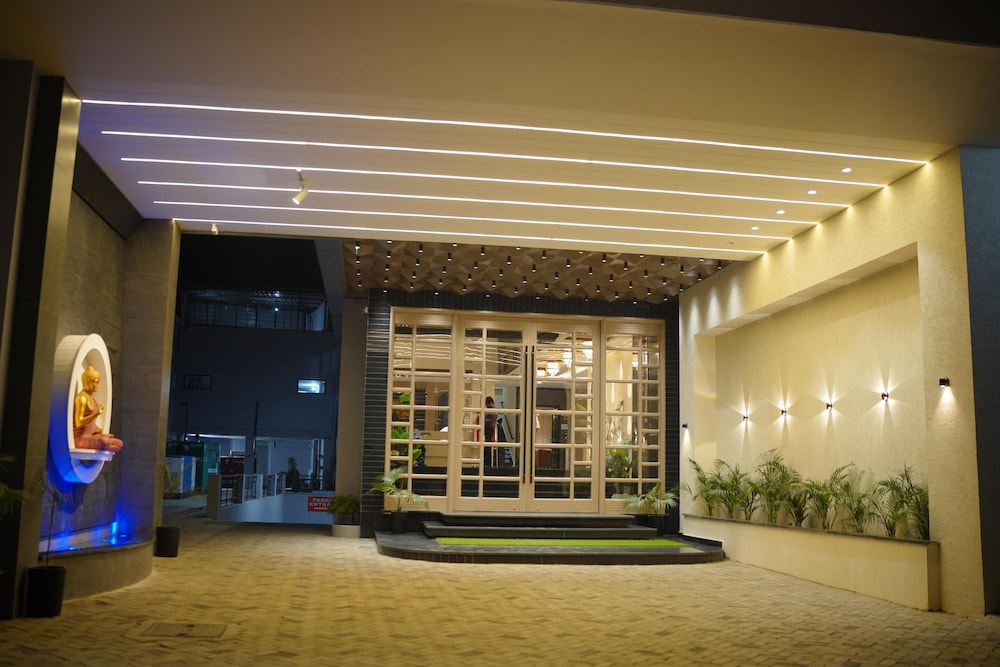
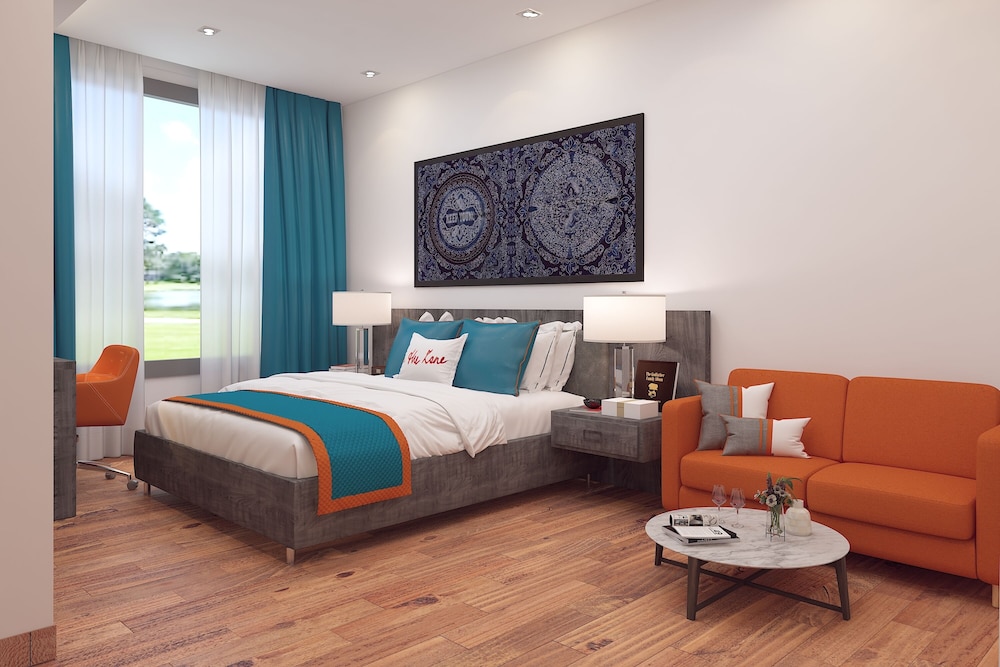
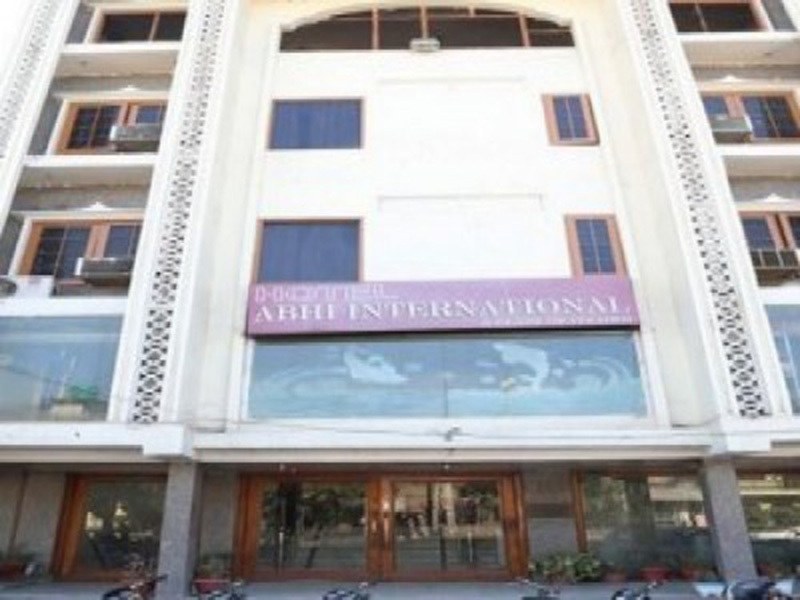
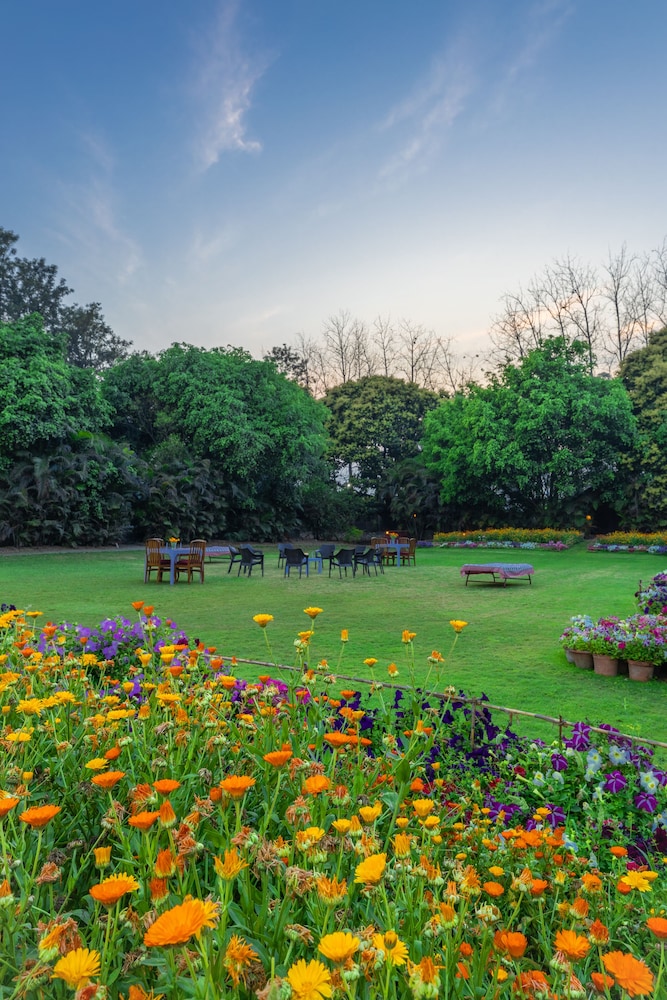
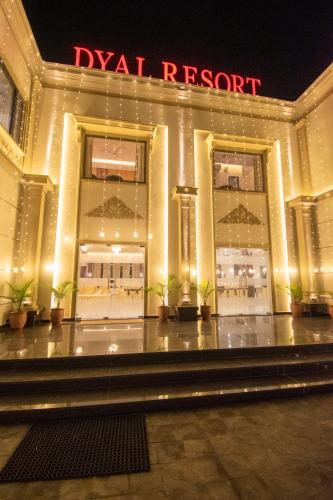
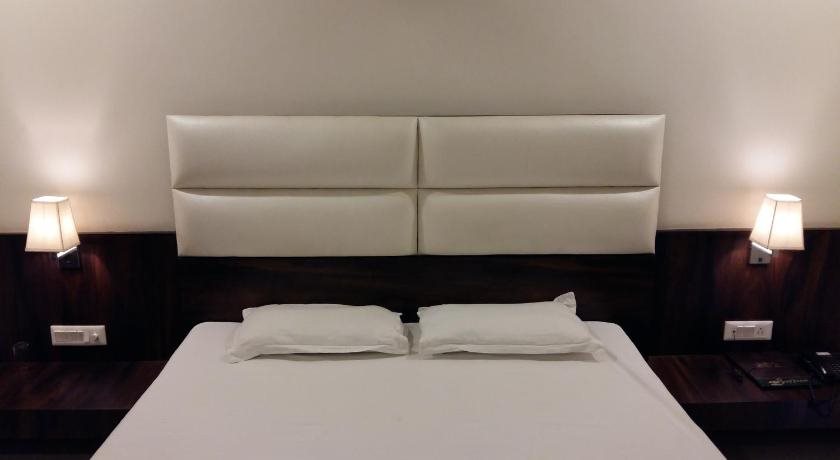
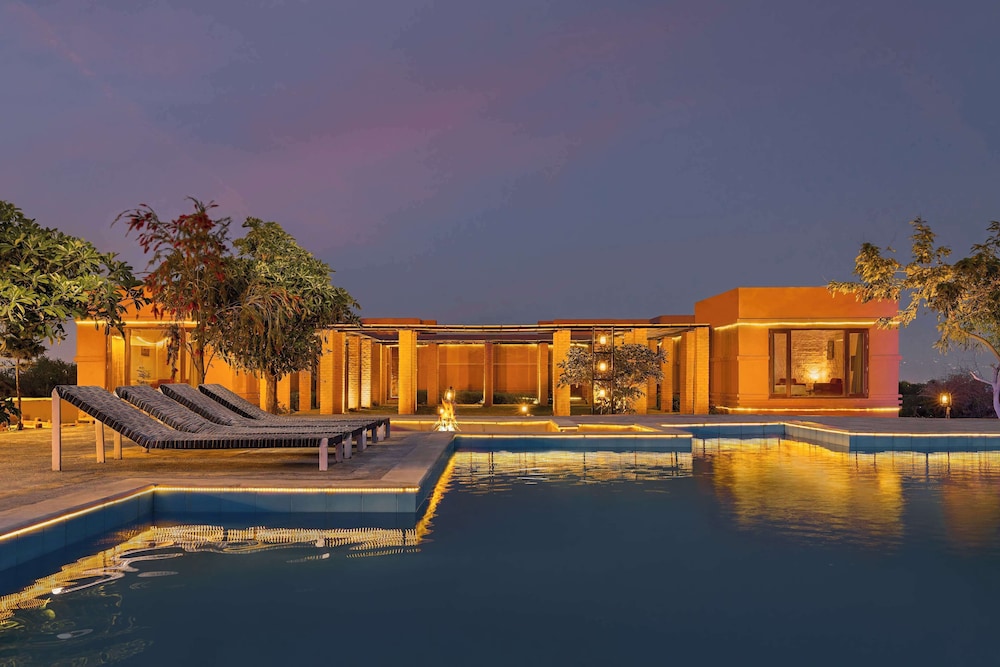
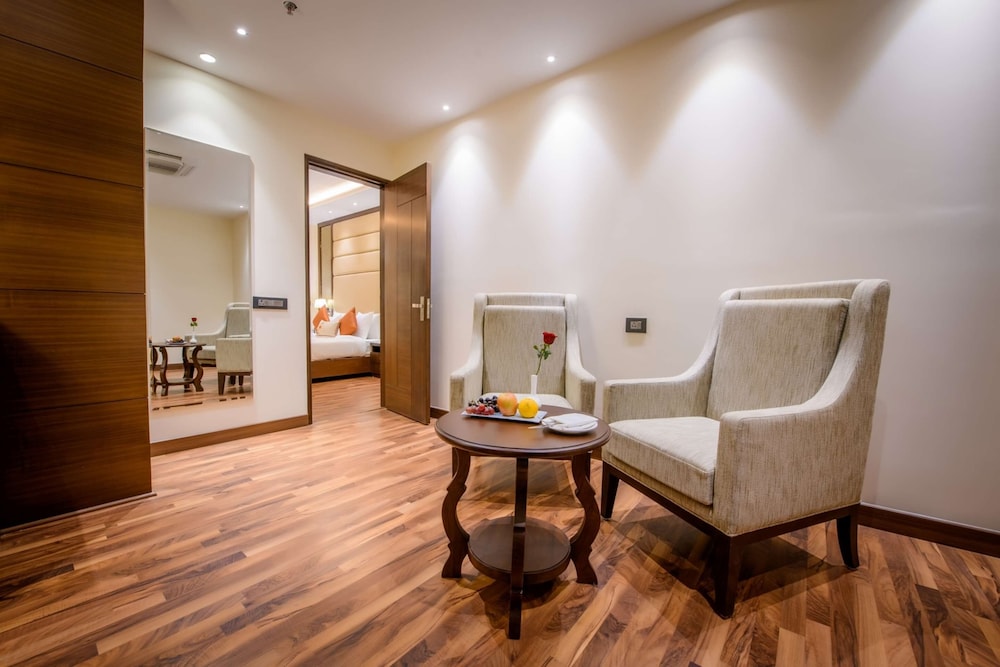
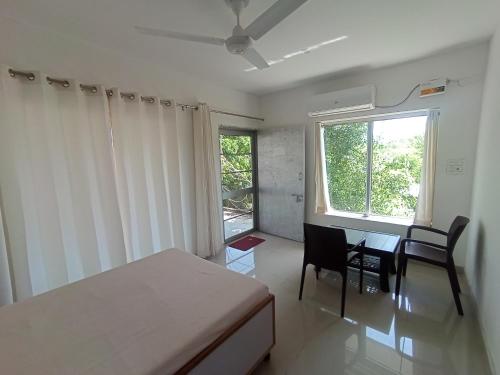
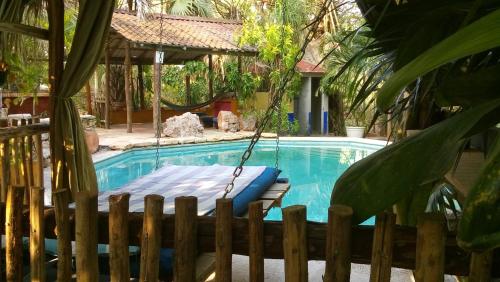
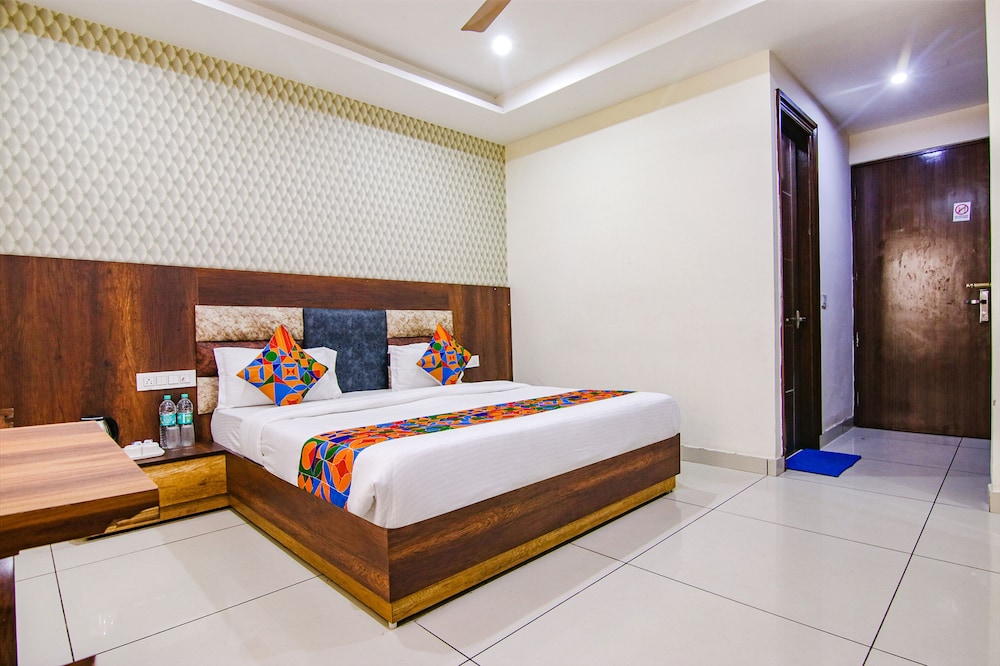
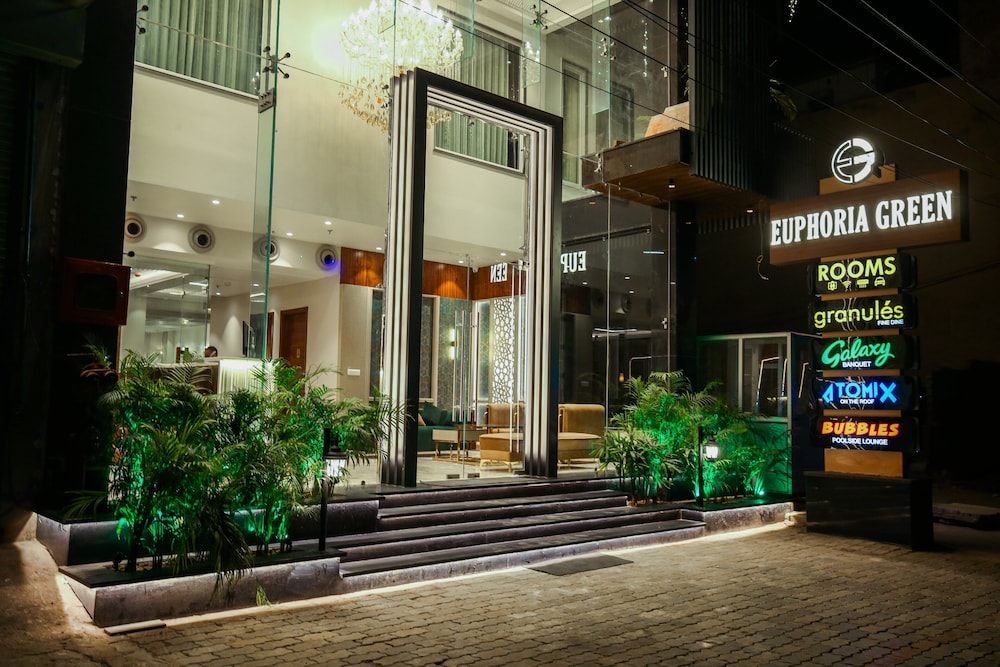
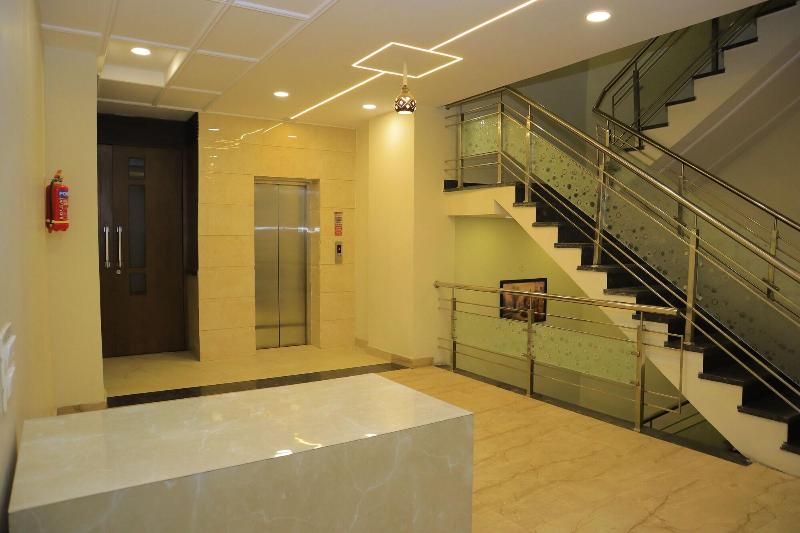
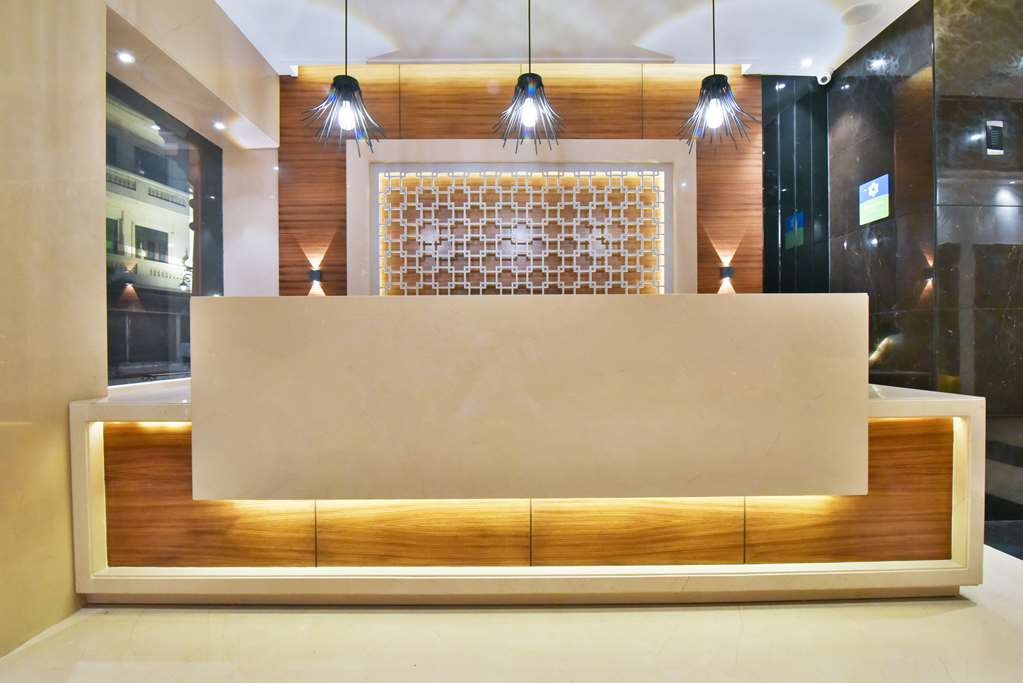
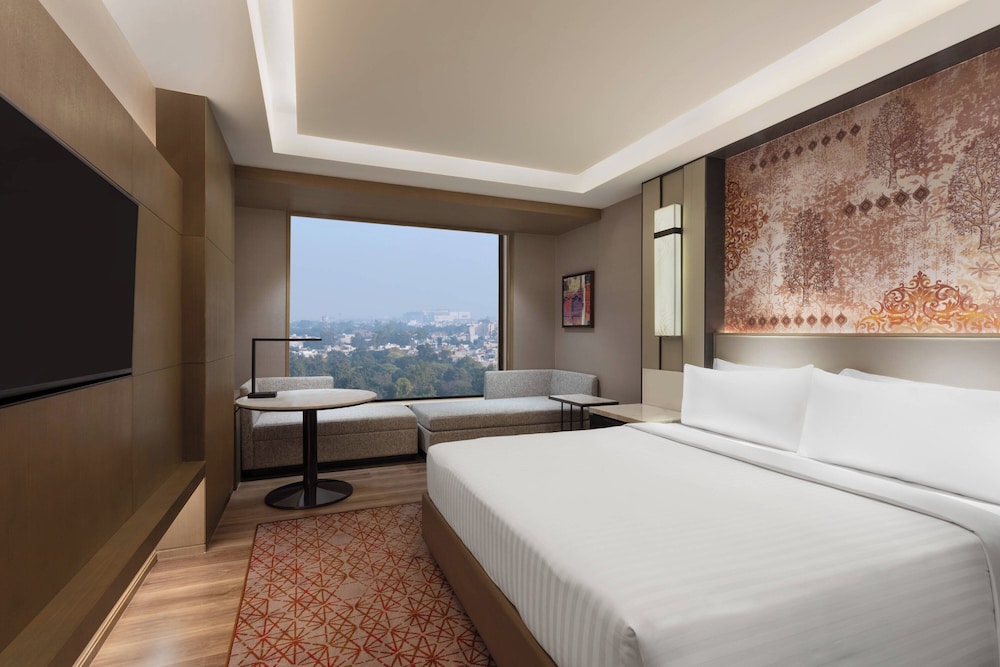
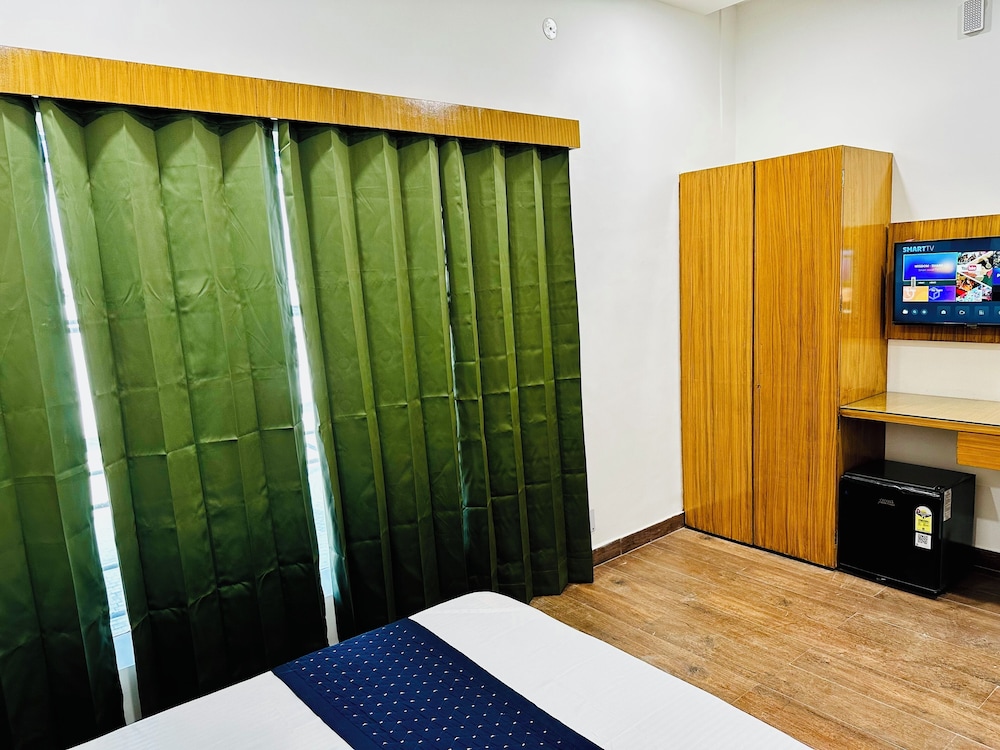
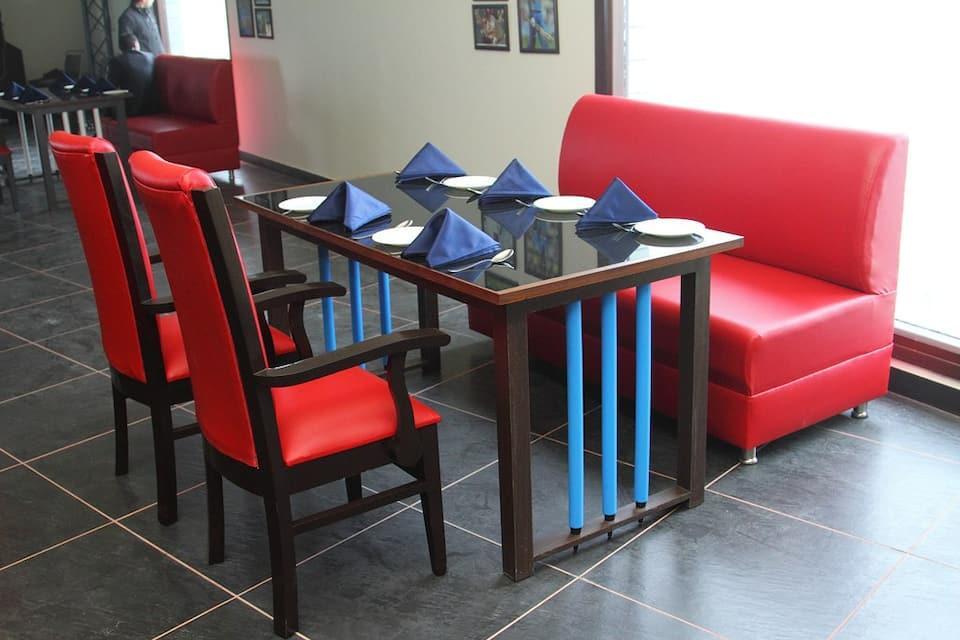
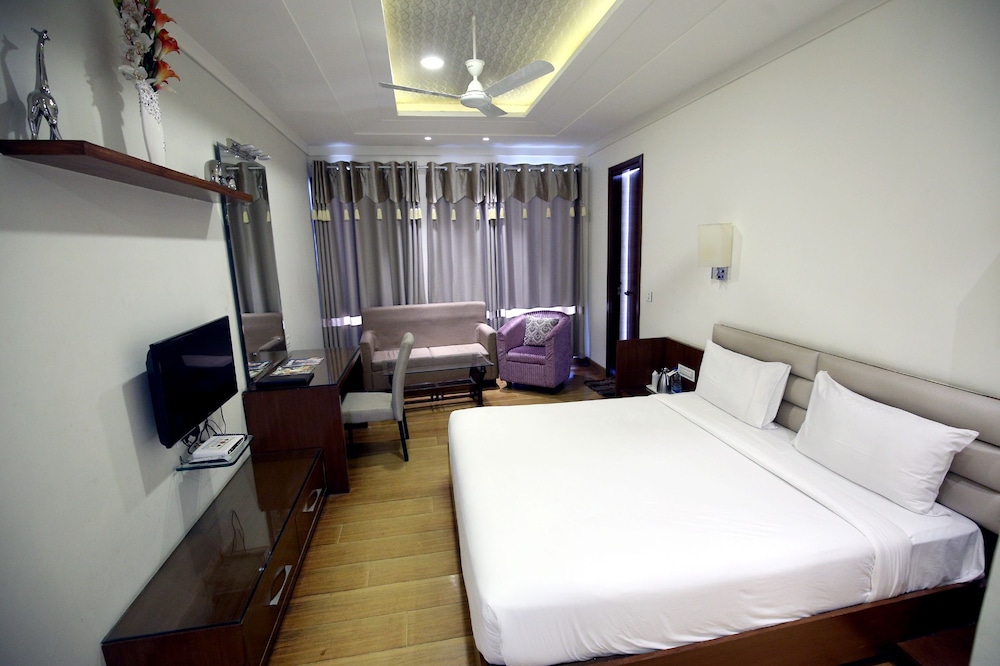
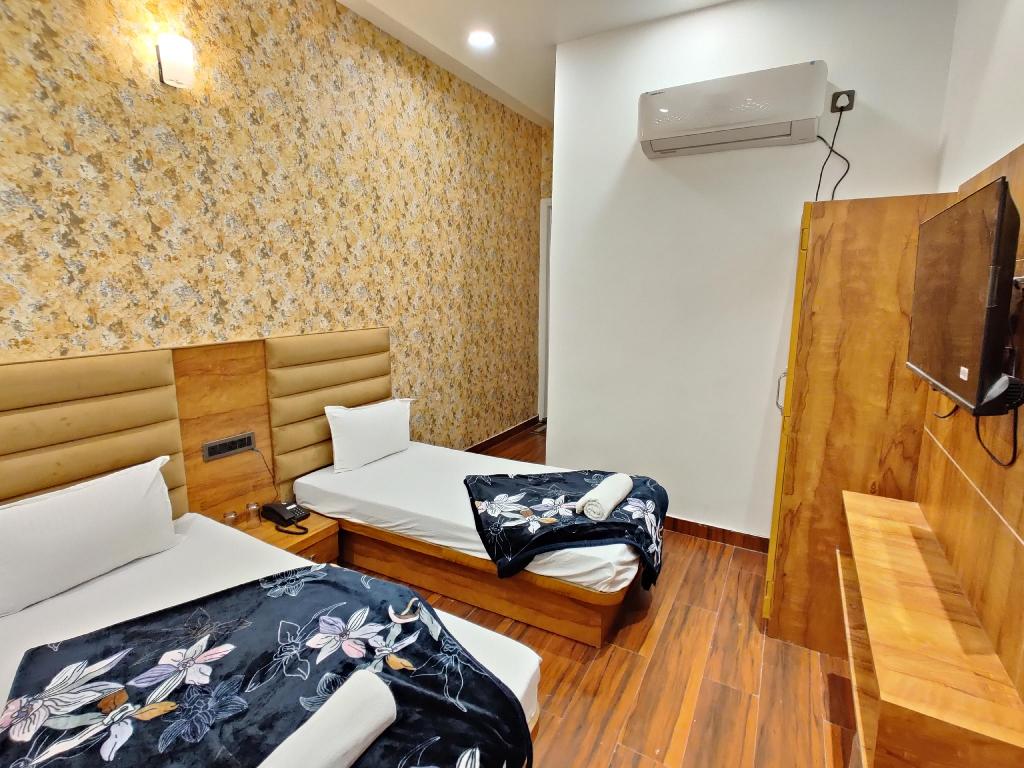

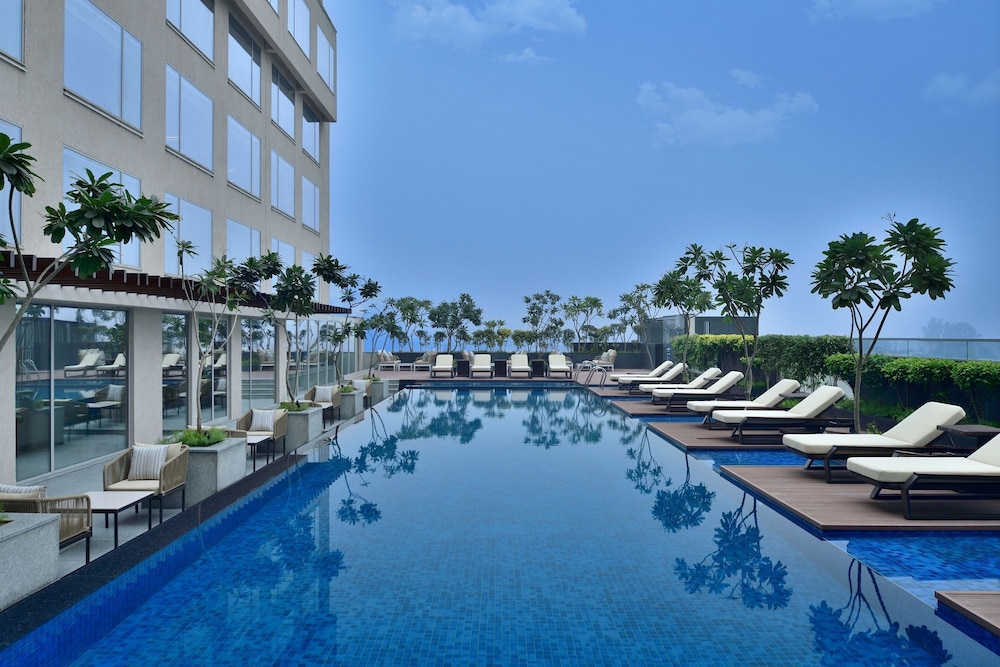
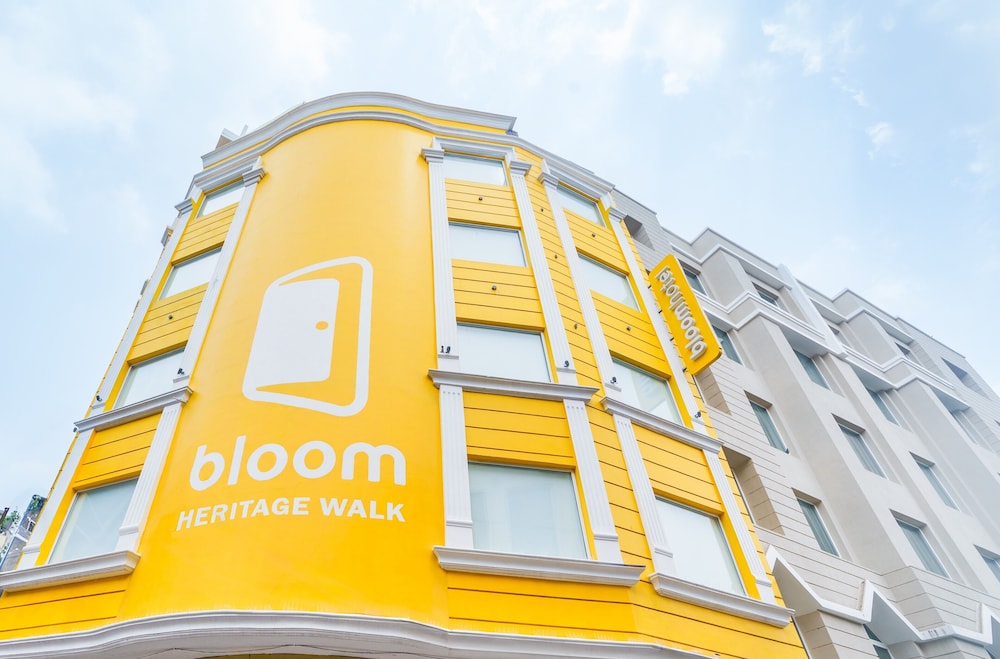

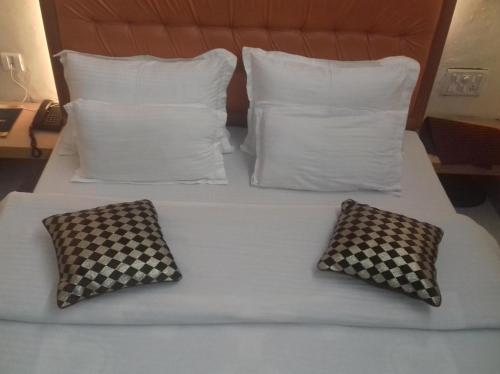
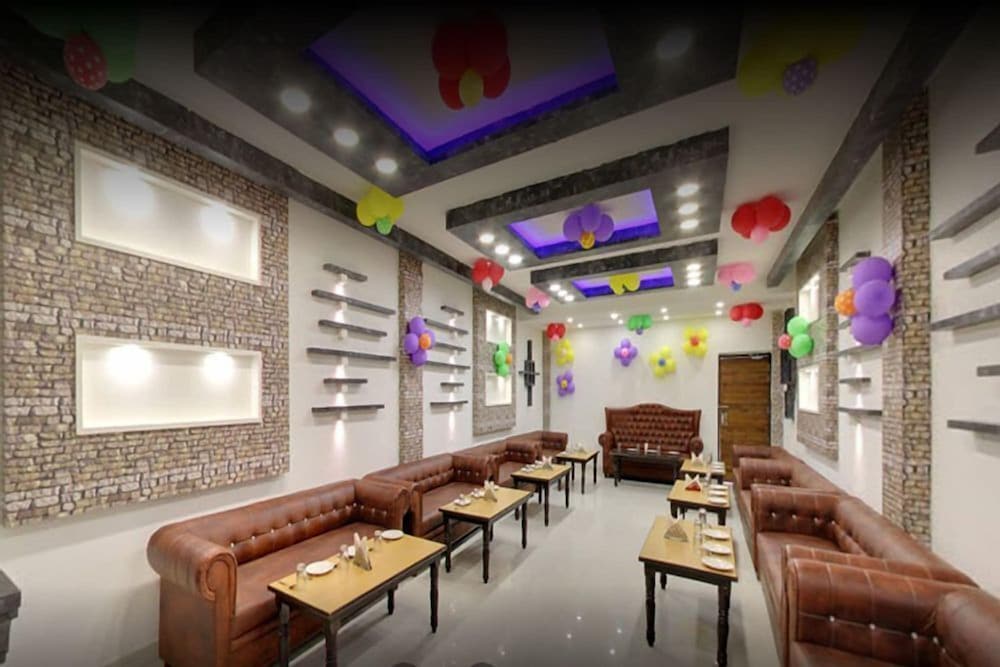
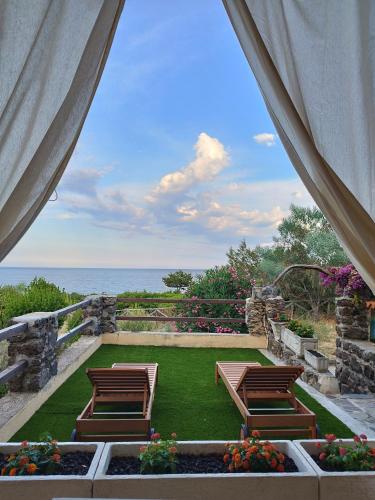
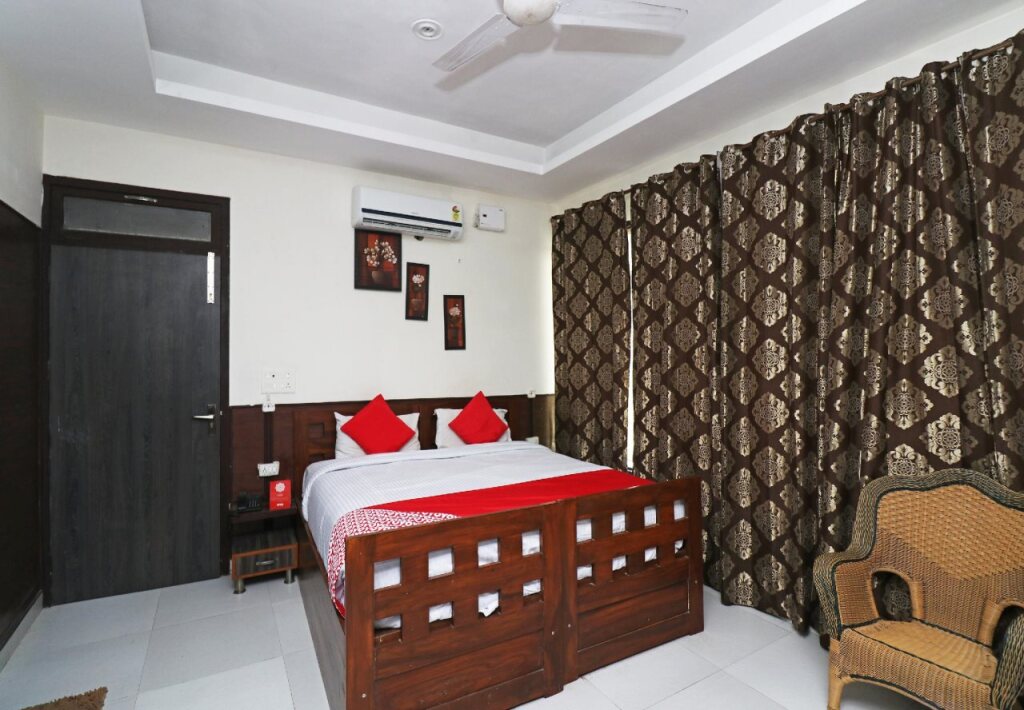
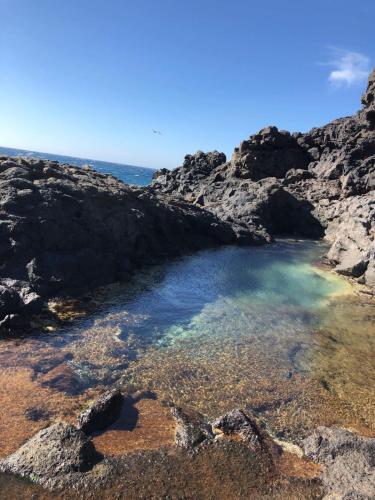
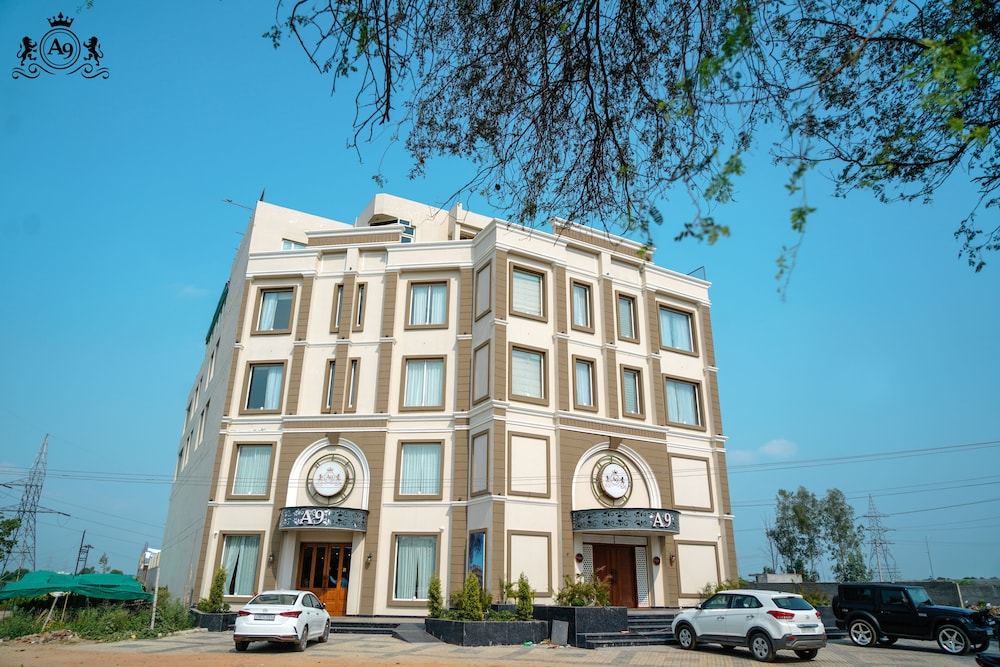
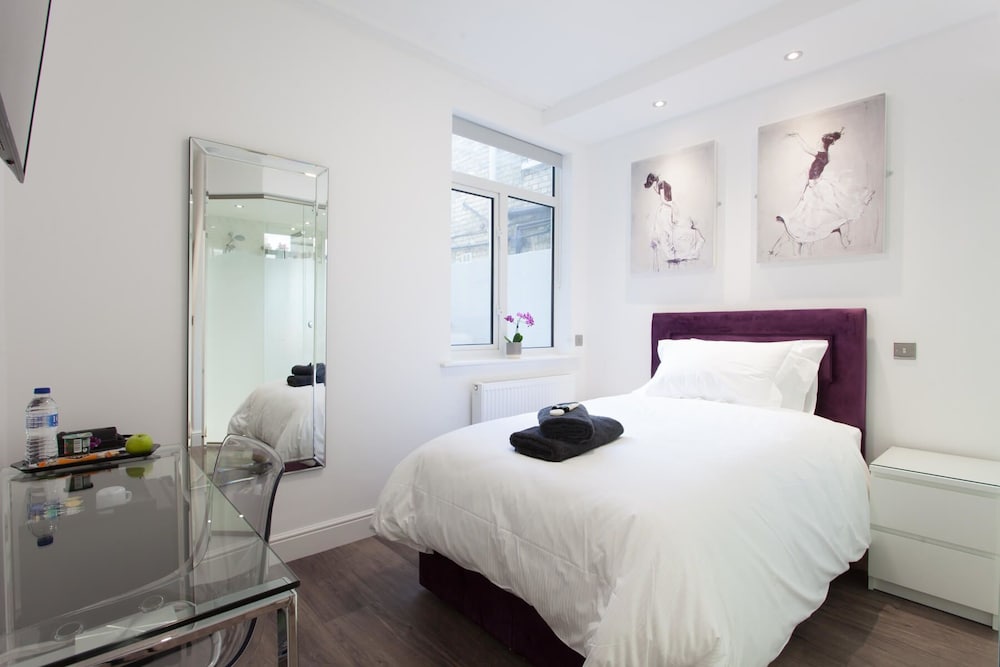
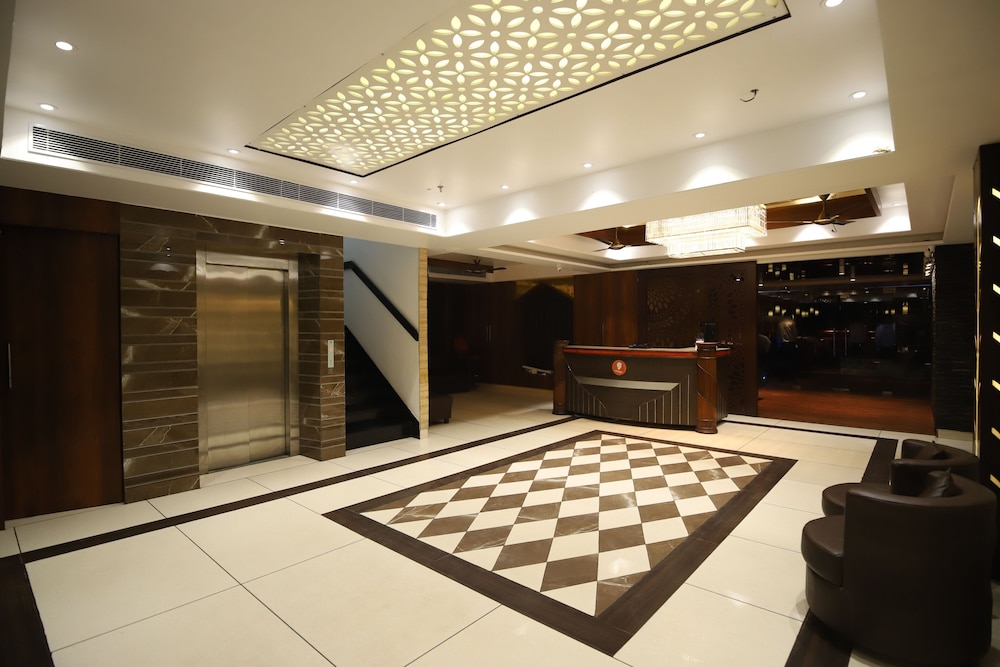
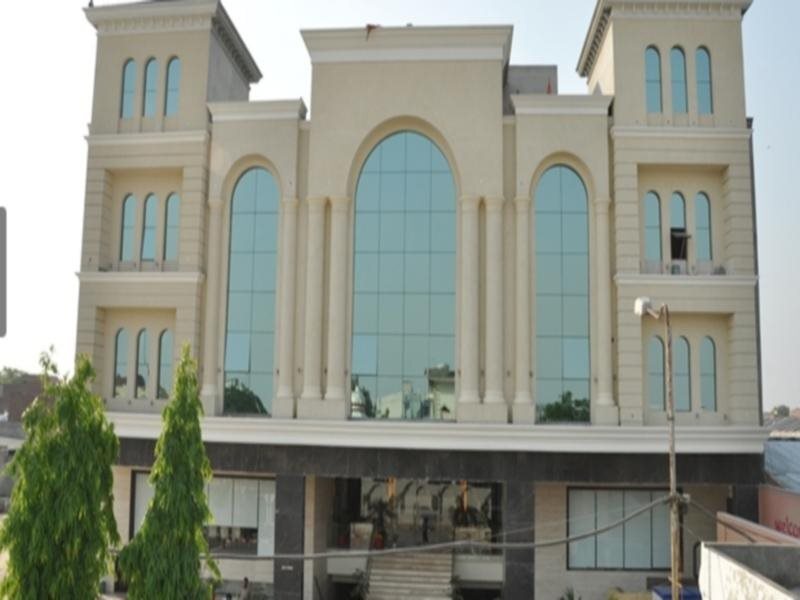
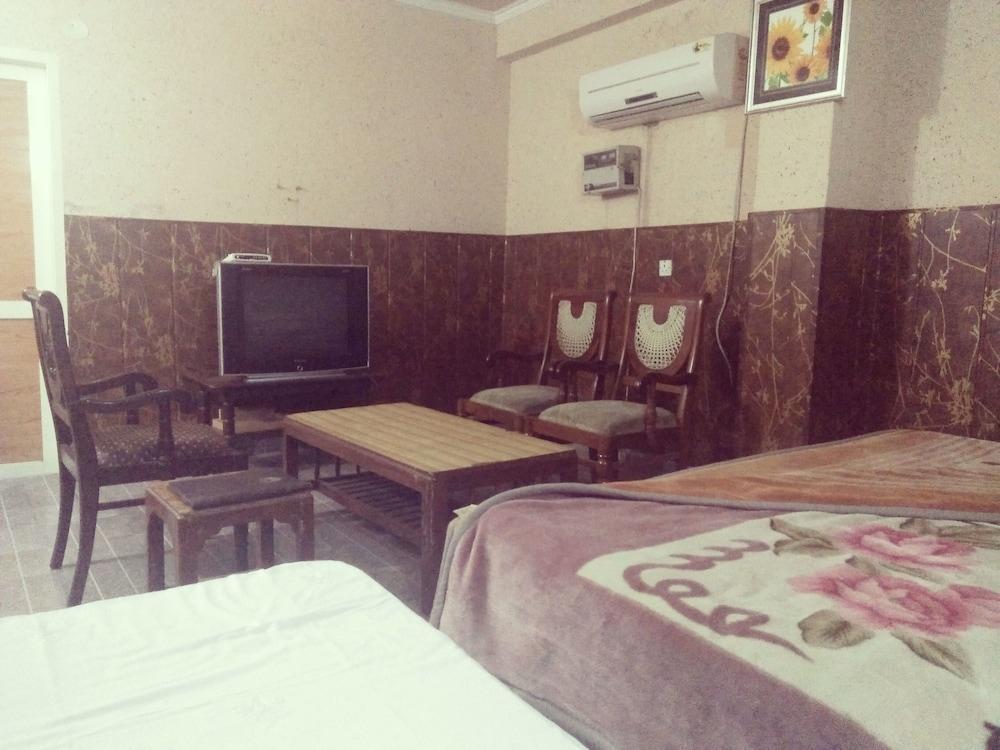
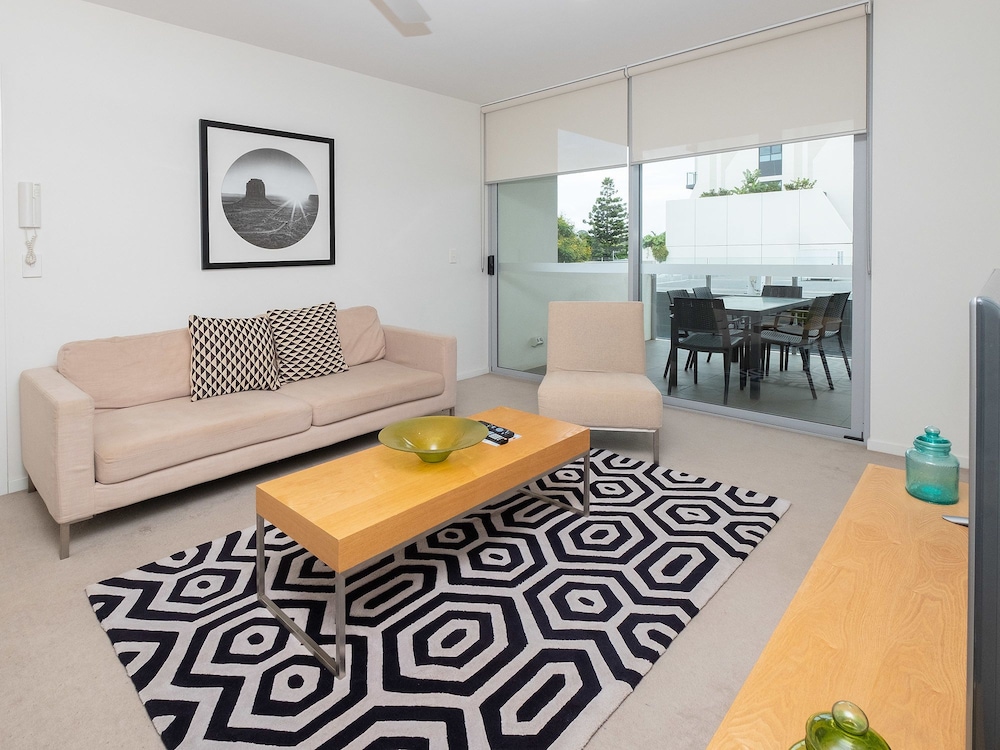
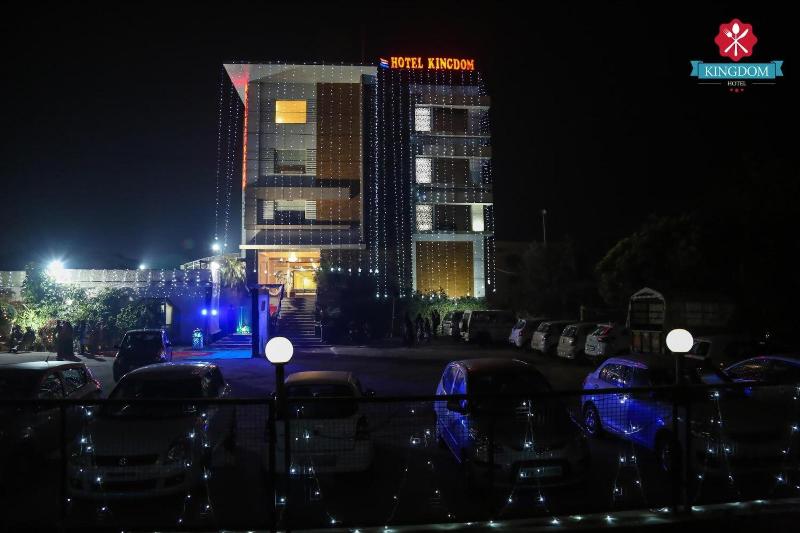
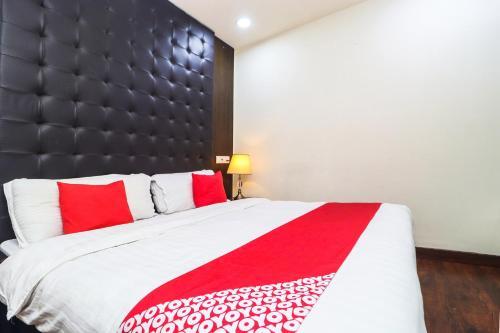
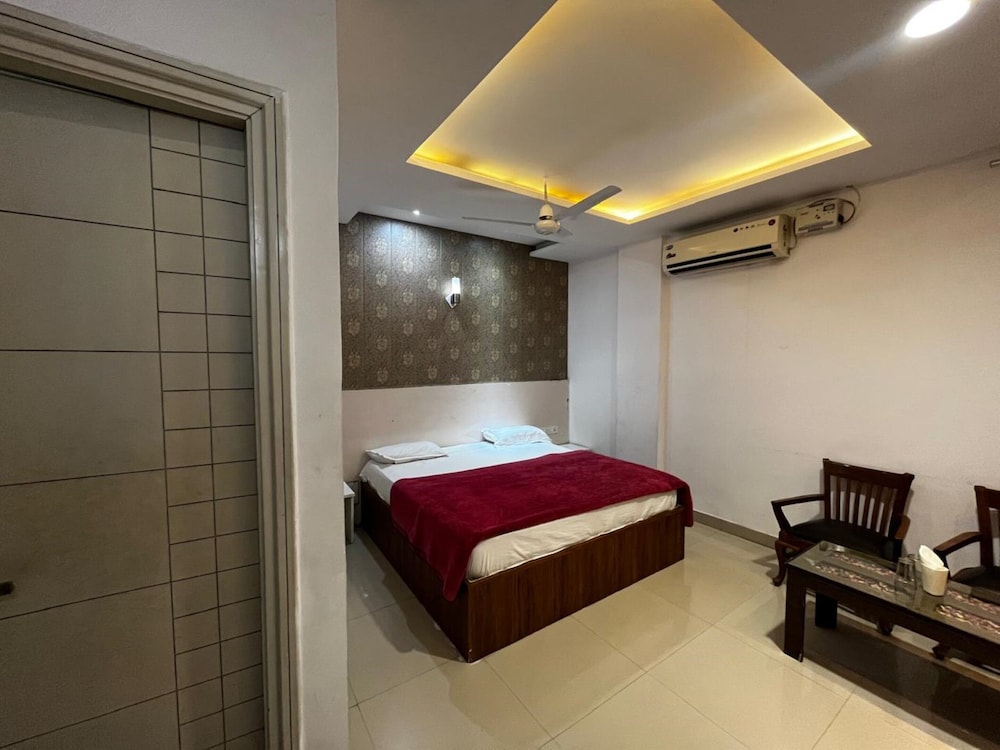
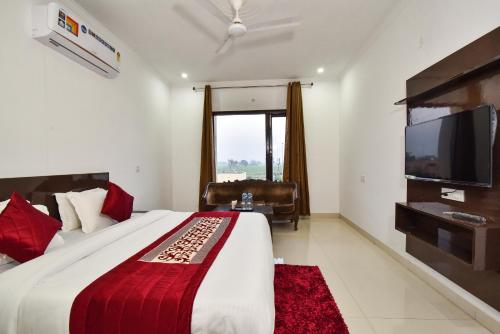
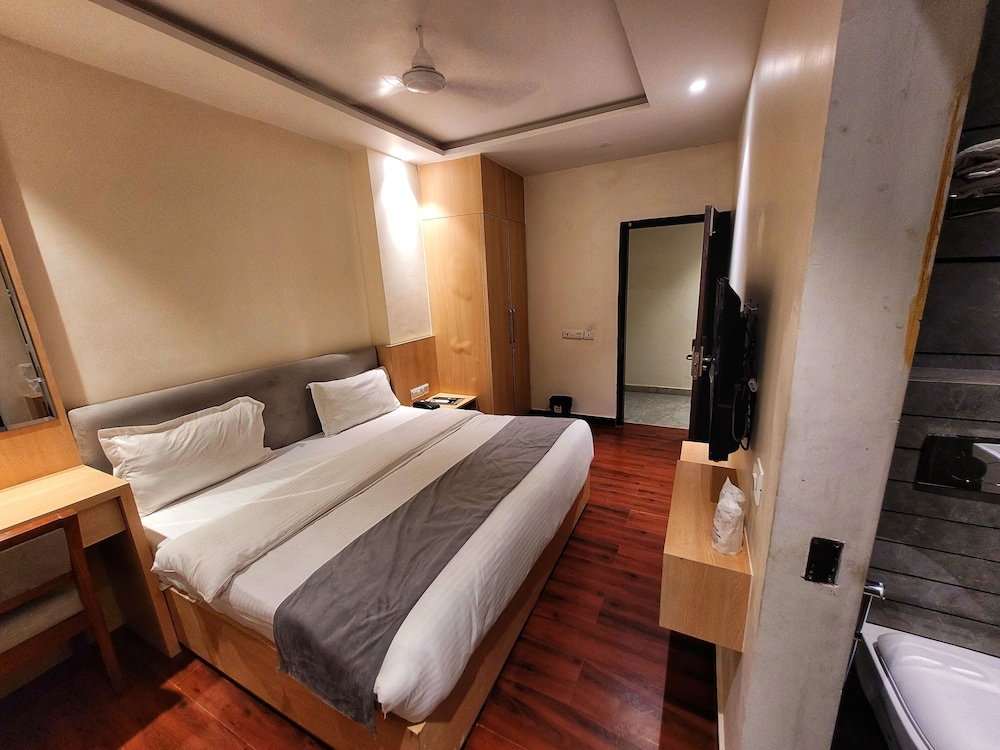
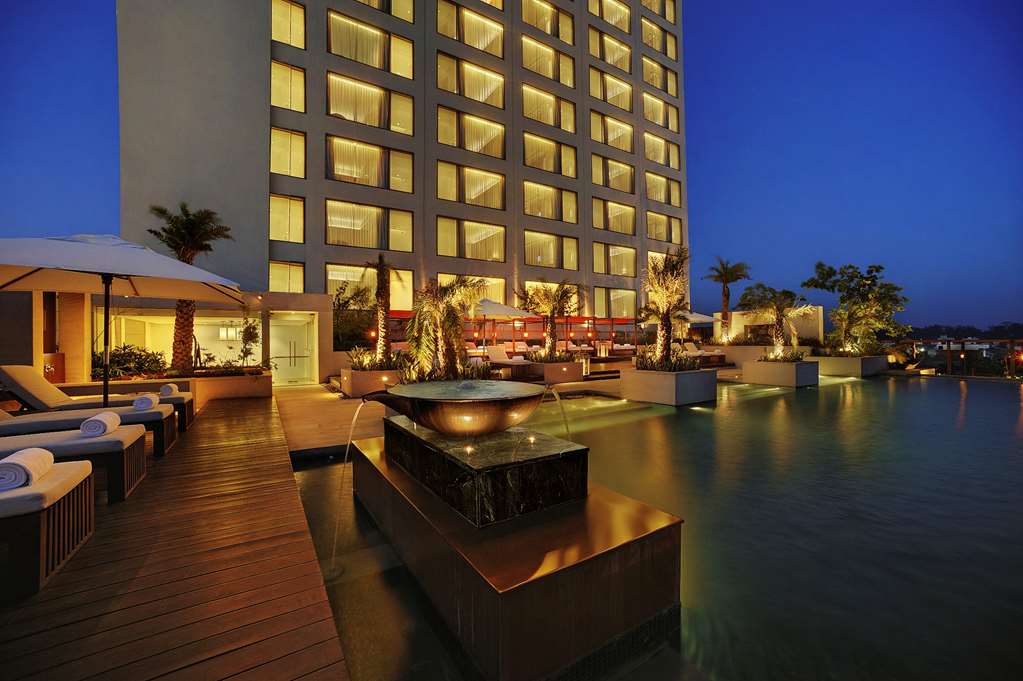
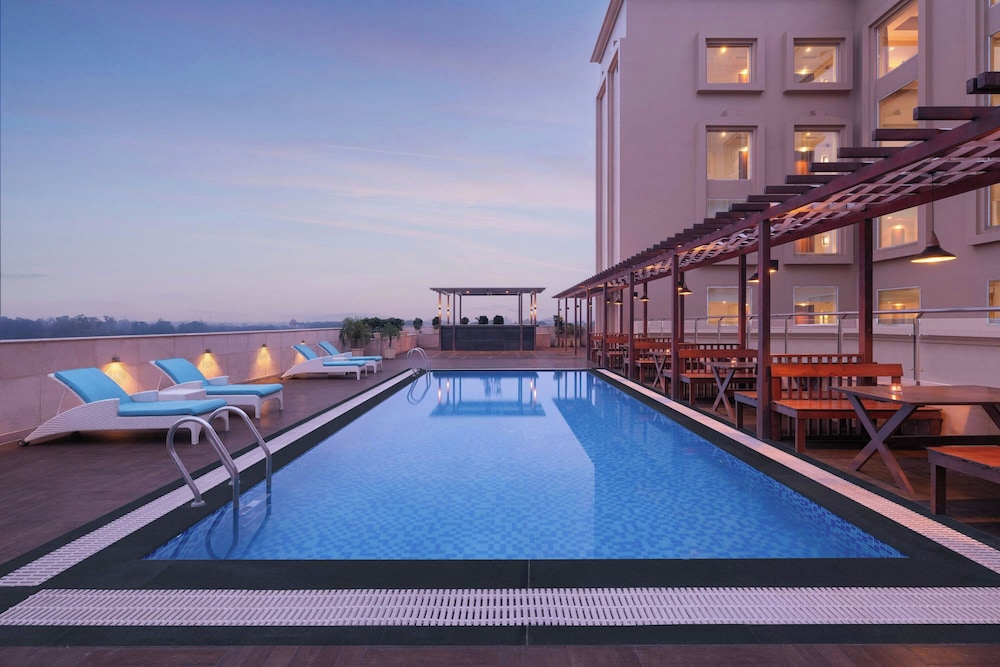
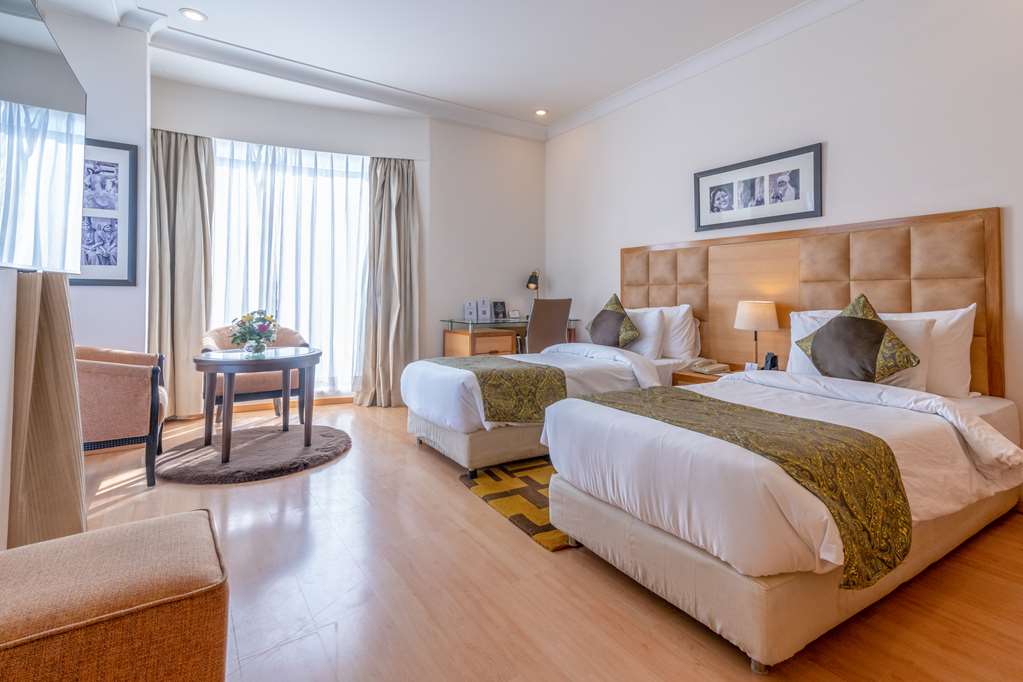
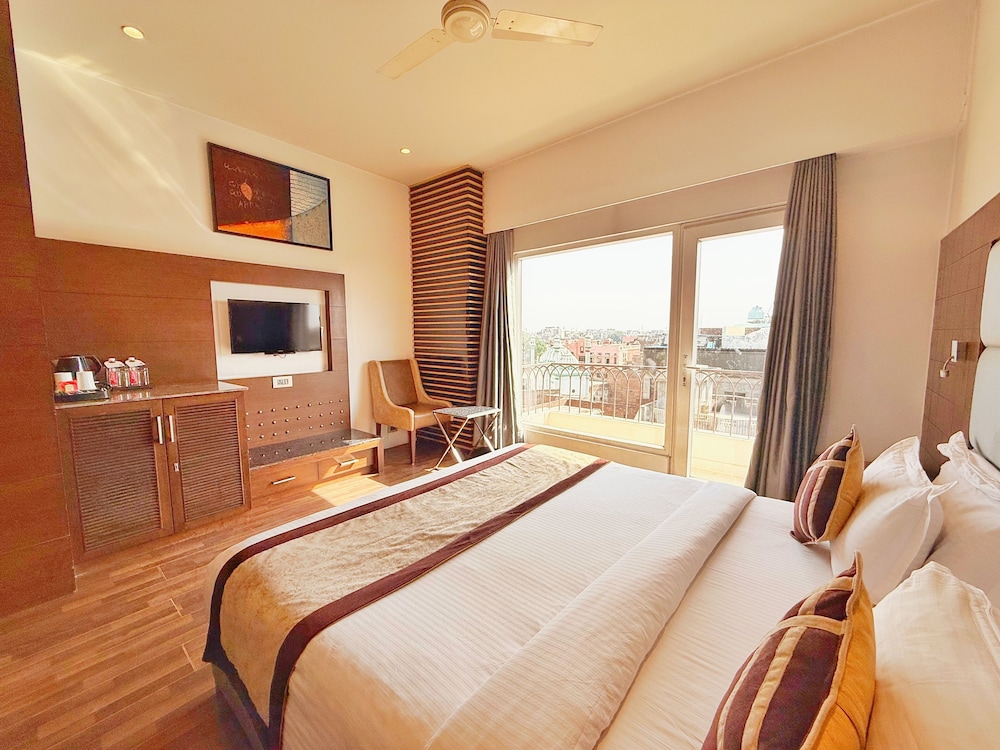
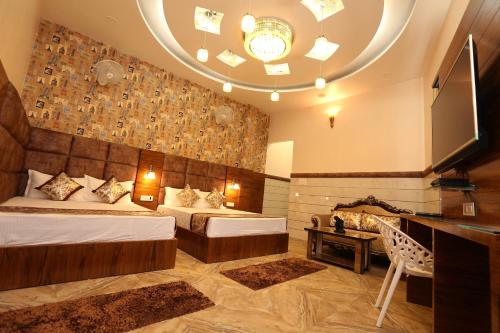
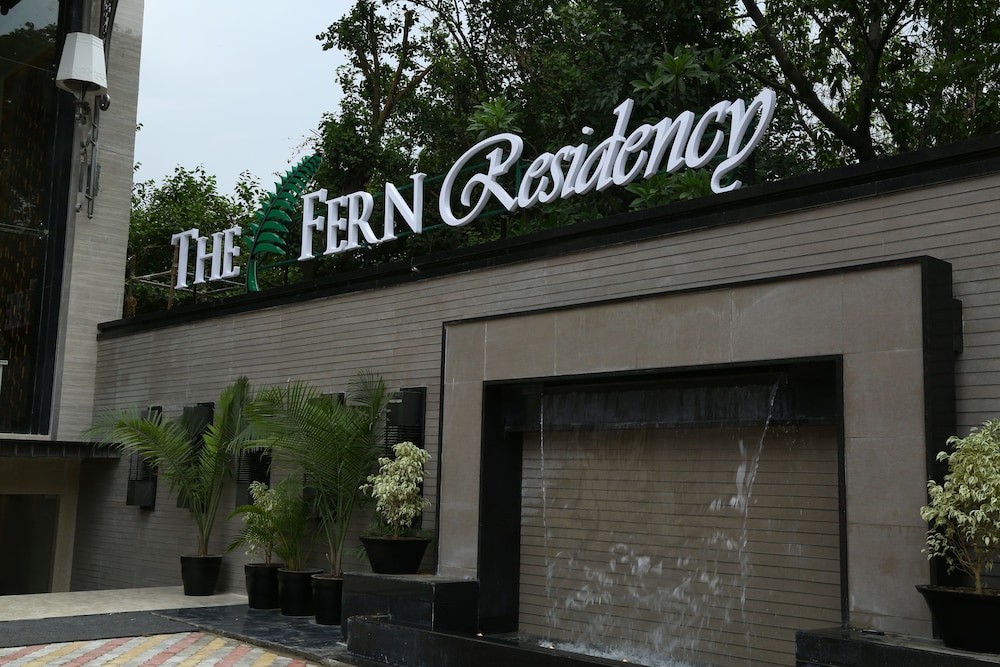
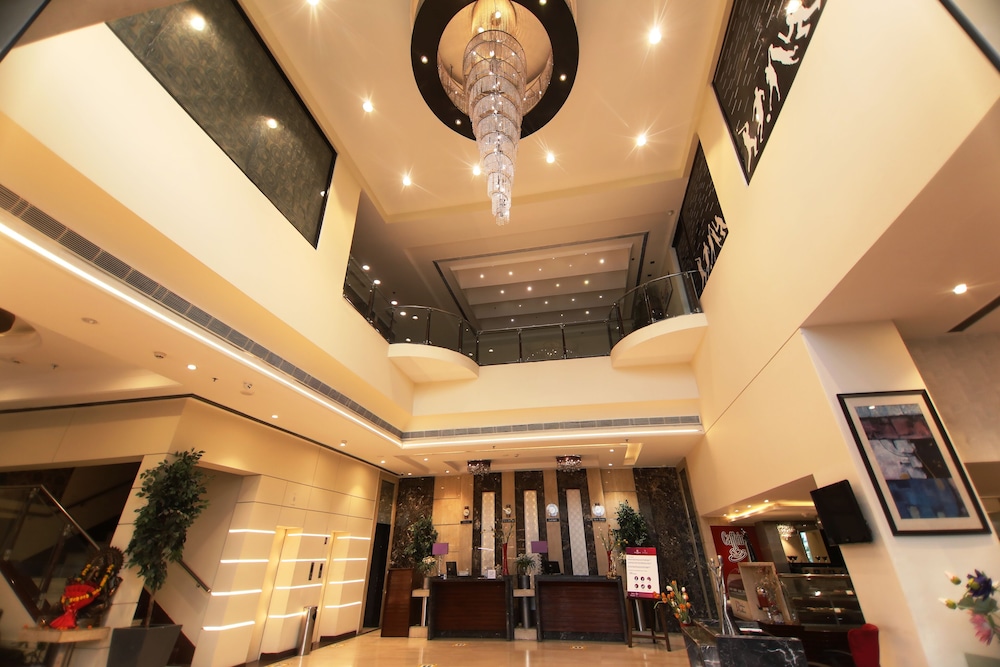
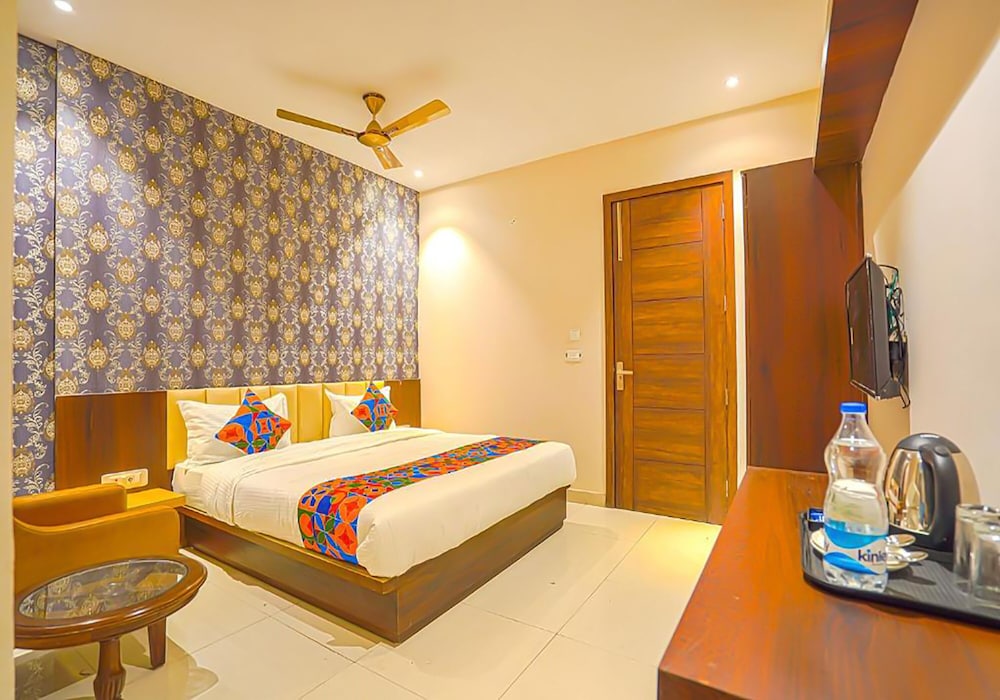
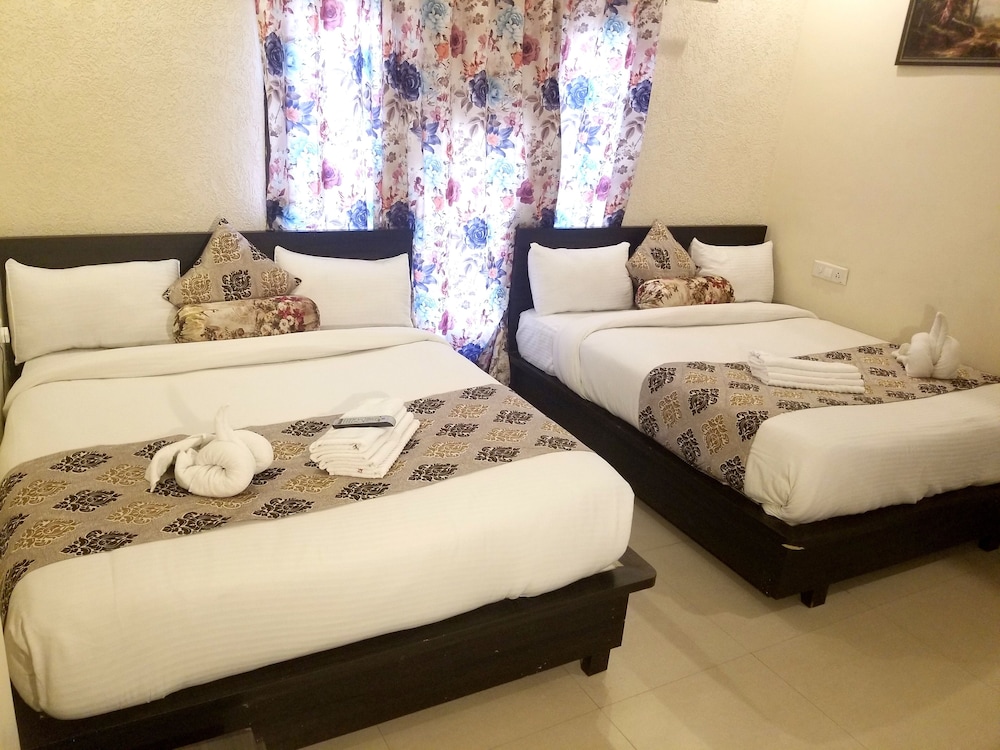
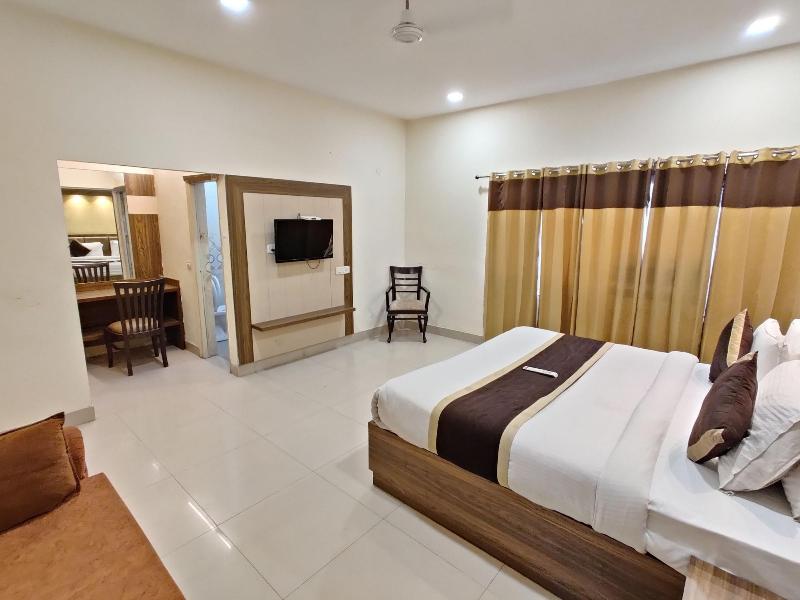
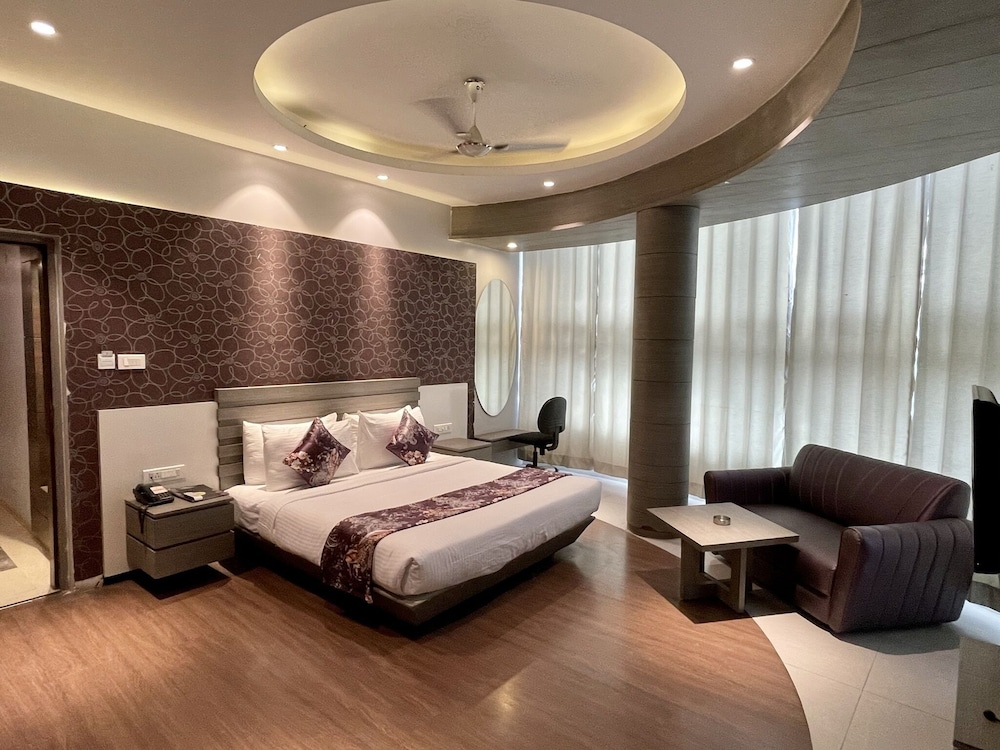
The hotel map
Open the mapFrom the Ravi and Beas rivers in the west to the Shivalik foothills in the east — see every property on one map.
When to come — prices by month
October–March is peak (cool, dry, festivals); May–July is low season with heat and monsoon showers.
May — from ₹34/night · Punishing heat, 42-45C on the plains — low prices but only worth traveling for specific business or family.
The Punjab guide
Punjab is a compact state with an outsized spiritual and cultural personality: at its heart, the Golden Temple in Amritsar — a working shrine that feeds 100,000 pilgrims a day — surrounded by a dense weave of gurdwaras, Hindu temples and Sufi shrines, a food culture built on tandoors and langar halls, and cities so distinct they behave like separate small worlds. But the state doesn’t stop at Amritsar’s ring road. Within a few hours of the Golden Temple sit a UNESCO-listed martial heritage at Anandpur Sahib, the industrial and food capital Ludhiana, the princely palaces of Patiala, and the Shivalik foothills rising behind Chandigarh, with its planned boulevards, rock garden and lake. A single train card and a few shared taxis cover nearly all of it.
Where to stay: the three logics
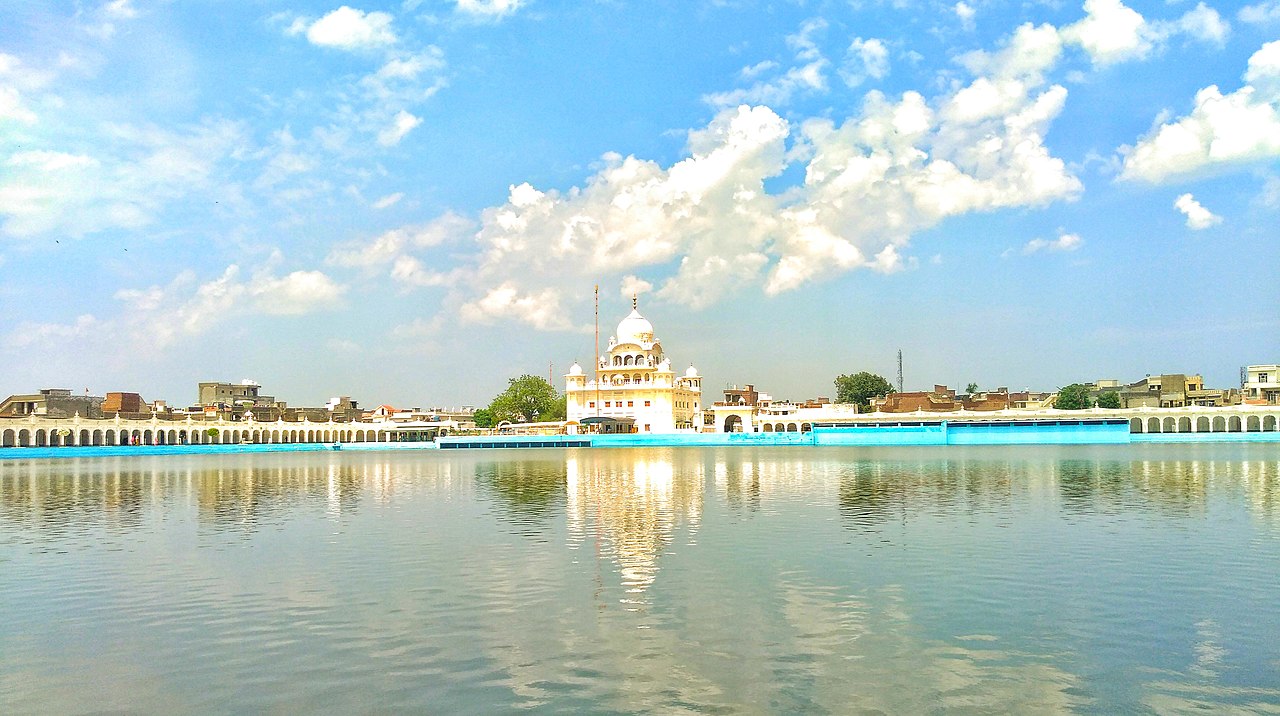
Most trips fit one of three shapes. Pilgrimage-first: sleep near the Golden Temple in central Amritsar and walk to the shrine at dawn — or in Anandpur Sahib for the birthplace of the Khalsa. Character-first: base in Patiala for royal palaces and phulkari bazaars, in Chandigarh for modernist architecture and the calmest nights, or in Ludhiana for the state’s best street food. Escape-first: the smaller towns — a courtyard room beside the tank at Tarn Taran, a heritage stay in Kapurthala's French-inspired palaces, or a foothills base in Rupnagar with the Shivaliks on the doorstep. Many visitors stitch the two: three Amritsar nights, two on the temple circuit east.
The money: what things cost, and when
Punjab remains one of the best-value destinations in northern India. Doubles near the Golden Temple start around ₹1,200–1,800 most of the year; central Chandigarh and Ludhiana run ₹2,200–3,500 for equivalent rooms; smaller towns hold ₹900–1,600 outside festival weekends. The price curve is predictable: floors in the sticky monsoon (July–August) and the peak of summer, peaks around Baisakhi in April, Guru Nanak Jayanti in November, and across the cool December–February travel window. A full thali still runs ₹150–250, a kulcha with chole ₹60–100, an auto ride across town ₹80–150, and the Shatabdi train from Delhi to Amritsar costs less than a mid-range restaurant dinner.
Getting around: rail spine, road spokes
You will not need your own car for most of this site. Indian Railways links the main cities like a spine — Delhi to Amritsar via Ludhiana and Jalandhar in six hours on the Shatabdi; and slower passenger trains reach Bathinda, Firozpur and Pathankot cheaply. Government and private buses fill the gaps to smaller towns — Anandpur Sahib, Fatehgarh Sahib, Kapurthala, Tarn Taran. Shared autos and Ola/Uber handle the last mile in every city. A hired car with driver earns its keep only for chaining shrines across a single day; our getting-around guide maps the whole system.
Beyond the shrines
The state rewards walkers and eaters as much as pilgrims: the heritage walks run from the walled lanes of old Amritsar to the palace quarters of Patiala; cycle routes follow the Grand Trunk Road villages and the Sirhind canal bank; the parks & gardens range from Chandigarh’s Rock Garden to the Ram Bagh in Amritsar and the vast Harike wetlands. Eat your way through the street food guide, time your trip by the events calendar, follow a ready-made itinerary from 24 hours to a week, or plan around small people with the kids guide. Every entry names the nearest place to sleep, one click from live prices.
Who we are
We’re a curated front door to the state. When you tap See price, you’re handed to app.impt.io — a booking engine aggregating over 8 million hotels worldwide at the same price or better — and every booking made through this site funds one verified tonne of CO₂ removal, at no extra cost to you. Same room, same price, small climate receipt.